


NL-LC1-36
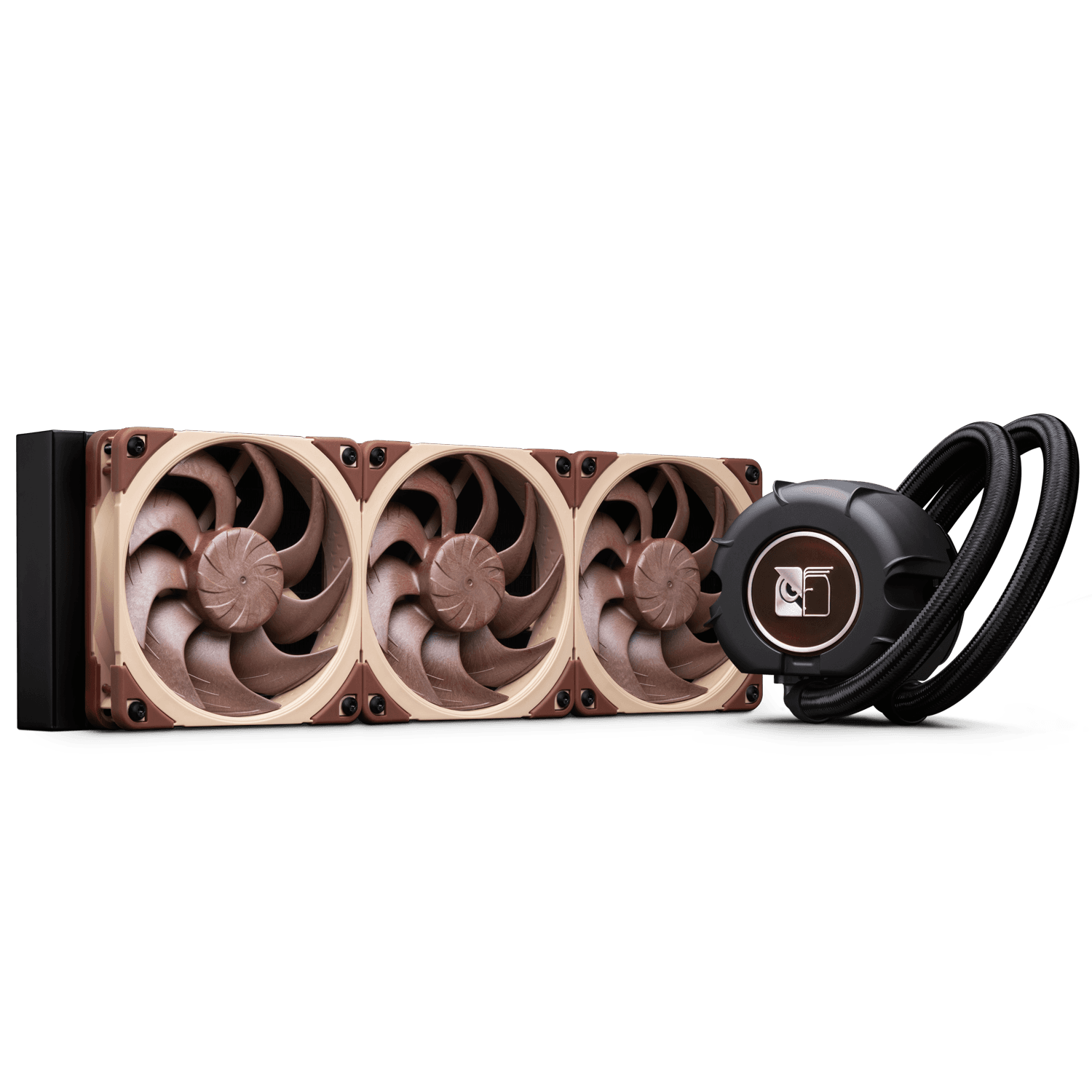
360mm all-in-one liquid cooler

State-of-the-art AIO platform
Asetek Emma V2 system provides industry-leading performance and reliability

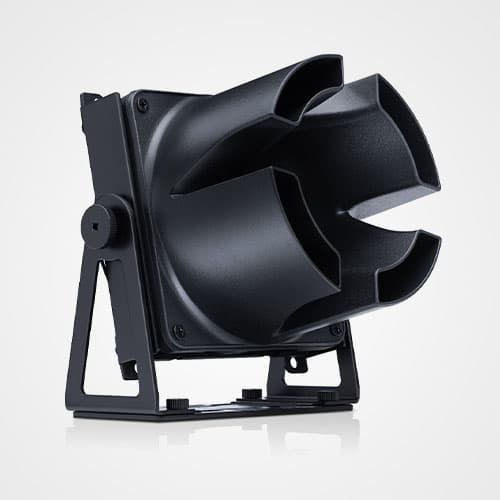
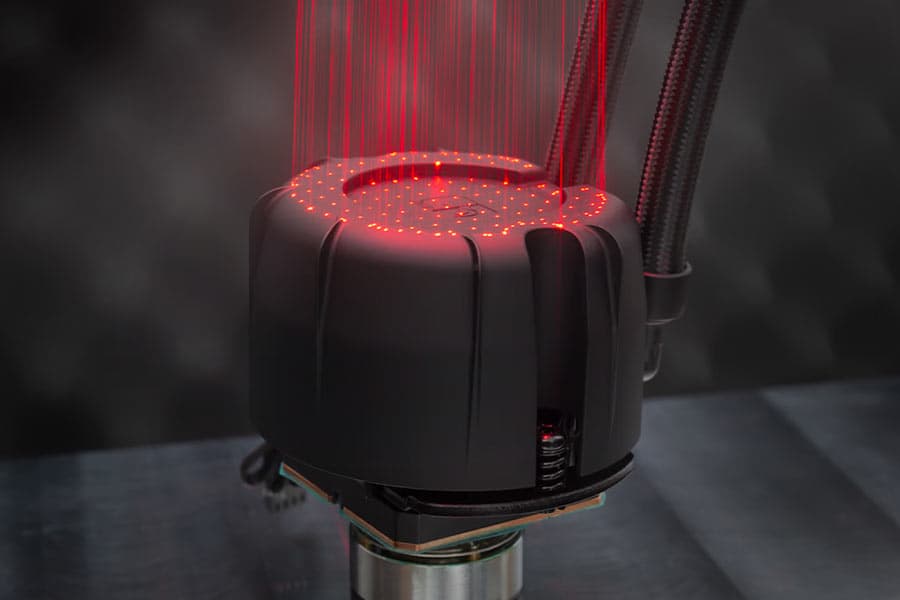
Innovative pump noise absorber
Ensures quieter pump operation and lower vibration levels

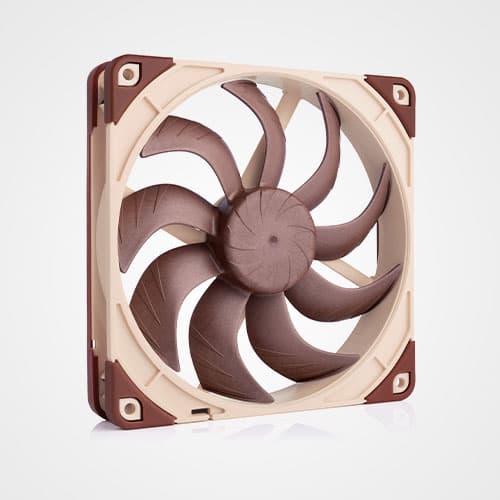
Triple NF-A12x25 G2 fans
360mm radiator with best-in-class fans for cutting edge performance-to-noise efficiency
95 reviews & awards
Filter by
Trusted by customers
Sort by
The Noctua NL-LC1-36 AIO's performance on the AMD front is very good, it delivered strong results, though didn't quite lead the pack. However, as the TDP increased, its performance improved significantly, securing a spot in the top 10 during the 225 watt noise-normalized test. Dropping the TDP to 175 watts resulted in the cooler being roughly 0.5°C away from breaking into the top 10, which is impressive considering how much the ASUS ROG RYUO IV 360 ARGB lags with a similar Asetek Emma Gen8 V2 based pump. On the Intel side, the performance was nothing short of remarkable. It consistently dominated the noise-normalized tests, taking the top position with ease. Even in max RPM tests, it is far quieter than rivals by up to 10 dBA or more, and it still ranks highly, often finishing in the top five. Overall, Noctua's debut AIO demonstrates exceptional capabilities regardless of platform. When it comes to noise output, Noctua has a knack for keeping things quiet in more ways than one. To start with the pump comes pre-configured in quiet mode via a selector switch on the bottom of the pump. While during testing I used manual mode for full control of the RPM range, which goes from 750 to 3400. When set to the middle or balanced mode it drops to 750-2600 RPM while quiet mode drops it even further to 750-2100 RPM. Regardless of this setting if coolant temp increases beyond certain thresholds, the cooler will automatically increase pump RPM beyond the pre-determined limits. Therefore, I suggest using manual mode anyway and just fine tune it, especially since even in manual mode it still delivers lower noise and superior performance compared to most alternatives. Since the cooler as a unit hits a max of 48 dBA, most users with a well-built case featuring tempered glass panels would likely experience noise levels below our 45 dBA noise-normalized threshold of 6-inches (roughly 15 cm). This is because most cases with a quality tempered glass side panel have resulted in an average drop of 3 dBA in my own testing across 30+ system builds. Some may wonder why is the NL-LC1-36 so quiet? Well a massive reason for the improvement in noise characteristics is the NL-PNA1 pump noise absorber which uses three layers; comprised of acoustic foam, a dense mass barrier, and more acoustic foam. The noise from the pump which can be heard at certain PWM combinations has a much deeper tone rather than a high-pitched whine. I would describe it as a bass hum that's only perceptible at 100% with the fans themselves set to a much lower setting. If you set a custom fan profile with the pump only spinning to max at extreme temperatures you likely would never notice it over anything else. As for the optional VRM fan, it did not increase perceived noise levels at all. If you wanted to buy it and use it but are afraid it would add more noise or a high-pitched whine, you have nothing to fear. At all PWM tests it never resulted in a difference in noise level. Overall, from what I have experienced in my testing the Noctua cooler is the best overall option on the AIO front for those worried about noise, while being close to the top for performance as well. Of course, it tops noise-normalized testing. You have pump RPM control options, a wide RPM range, and plenty of room to fine tune, on top of it already being one of the quietest AIOs on the market.
Read more