


NL-PNA1 pump noise absorber: Tuned mass damper and acoustic soundproofing
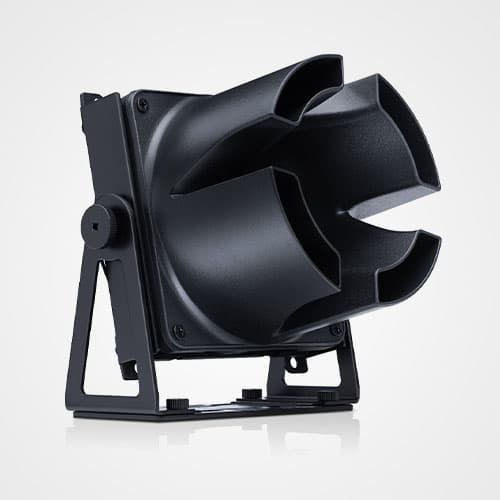
The NL-LC1 series is the world’s first all-in-one liquid cooler to feature an integrated pump noise absorber that leverages both acoustic soundproofing and the tuned-mass damper effect. Thanks to this twofold working principle, the NL-PNA1 reduces air-borne noise and structure-borne vibrations at the same time.
Three-layer soundproofing structure
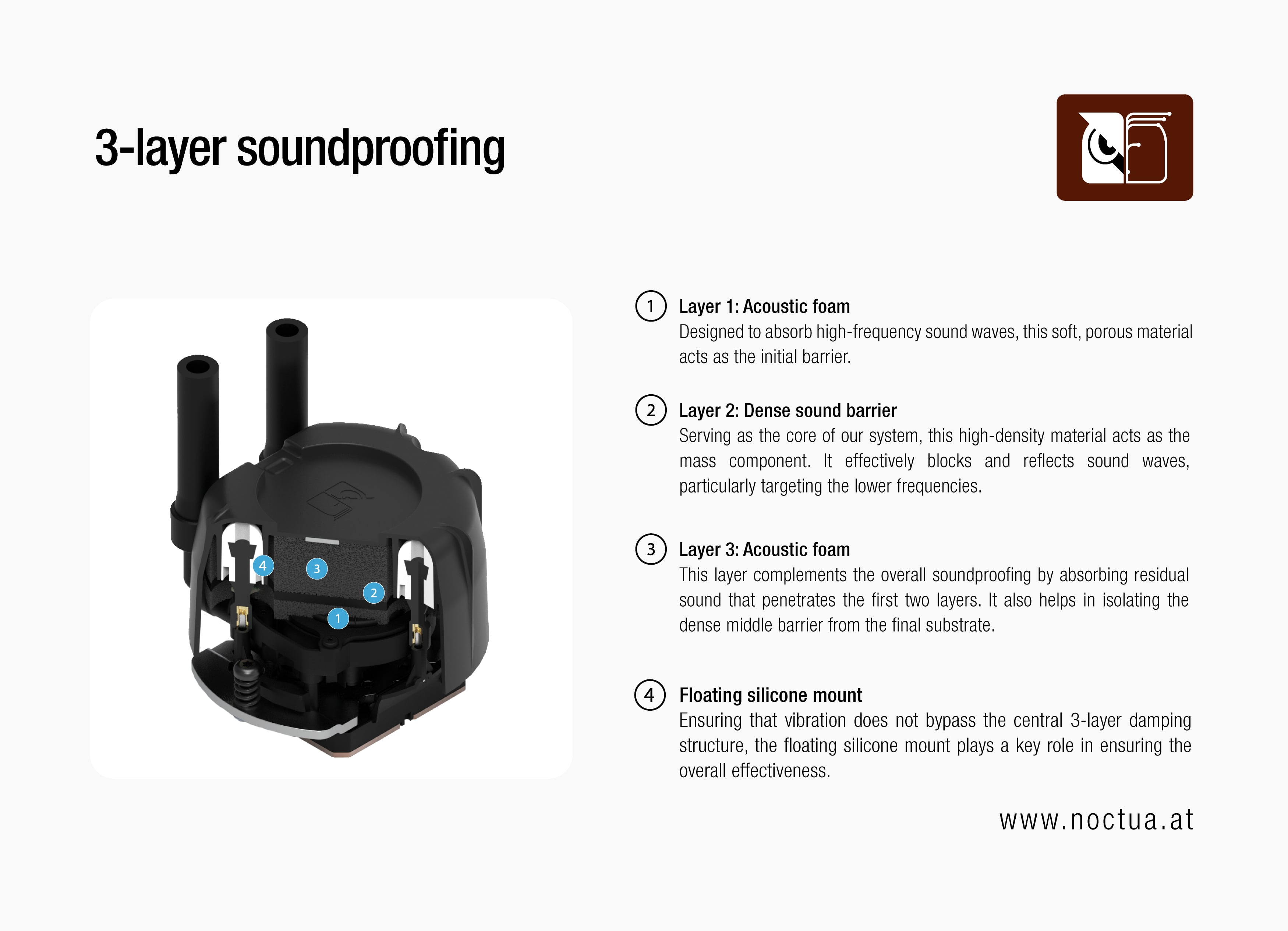
The NL-PNA1 pump noise absorber integrates three layers of acoustic foam: While a first soft, open-pore layer right above the pump targets higher frequency noise, a dense mass barrier in the middle blocks and reflects lower frequency ranges. A second open-pore layer combats residual noise that penetrates the first two layers.
Tuned-mass damper vibration reduction
The NL-PNA1’s soft acoustic foam layers and floating silicone mounting not only reduce the transmission of vibrations, but also act as the spring components in a tuned-mass damper system. With the dense mass barrier and the outer hard plastic shell acting as mass nodes that counteract the movement of the pump, the NL-PNA1 is highly efficient in reducing structure-borne noise.
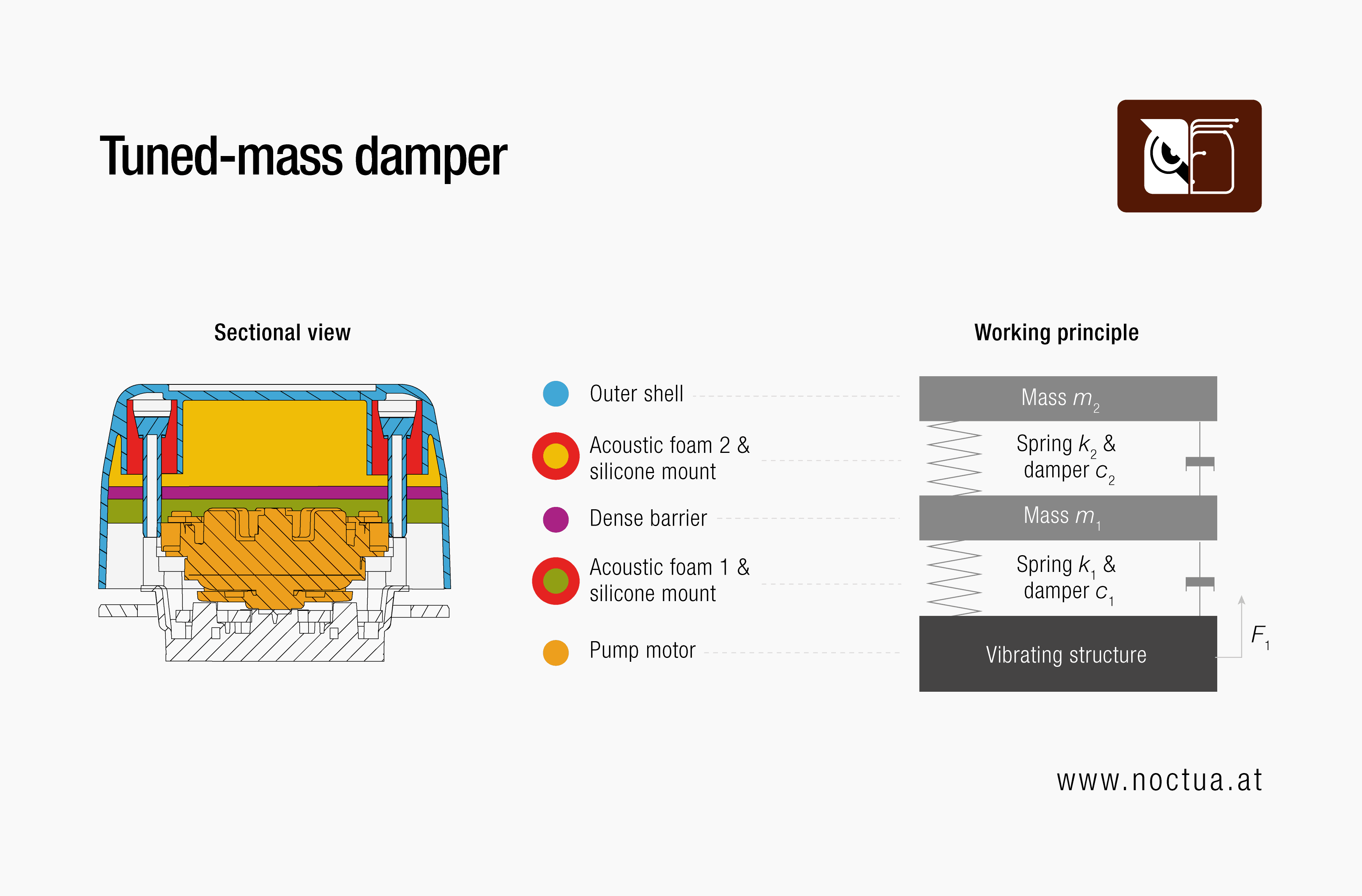
Tuned-mass dampers (TMDs) utilise the mass-spring effect to reduce mechanical vibrations. Consisting of one or more mass nodes that are attached to each other as well as the vibrating structure through springs and dampers or damping materials, TMDs counteract the vibration by moving in the opposite direction. For a TMD to be effective, its oscillation frequency, determined by its mass, spring stiffness and damping coefficient, must be tuned to the amplitude and frequency of the vibrating structure.
Noise reduction performance
The NL-PNA1 pump noise absorber can improve acoustics both by reducing sound pressure levels (SPL) and by shifting the pump’s sound signature towards lower frequency ranges that most people perceive as less distracting. The following video shows an example of how the same pump sounds on a typical AMD AM5 setup with and without the NL-PNA1. Note that the clips were recorded in a hemi-anechoic chamber at a distance of 10cm. Due to the close measurement distance and +24dB gain added, the pump may appear louder than in typical real-world use, depending on your audio Settings.
Your consent is required to load YouTube videos.
YouTube (Google) stores cookies and collects data with embedded videos. By activating videos on our website, you agree to YouTube's data policy.
While the SPL reduction can vary depending on factors such as pump RPM, vibration transmission through the components, resonance behaviour of the motherboard and case, acoustic reflection as well as variations in the pumps’ frequency spectrum, the change in sound profile that can be observed in the video usually remains consistent even in scenarios where the SPL improvement may be small.
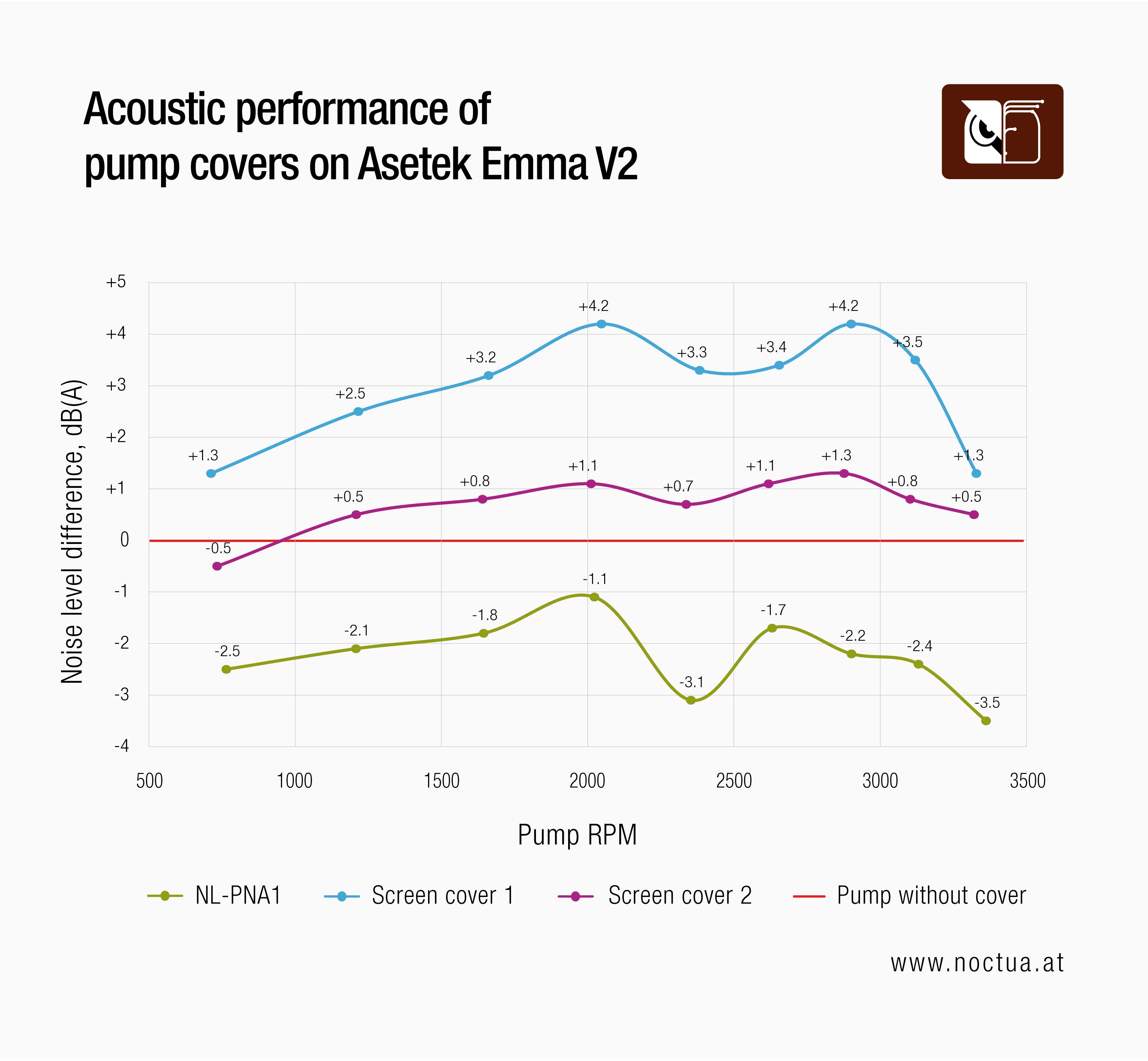
In terms of SPL reduction, we typically see 1-4dB(A) lower noise levels with the NL-PNA1 installed compared to the pump without a cover. By contrast, many other pump covers actually increase rather than decrease noise levels, particularly if large screens are not decoupled from the pump and turn into noise radiating surfaces.
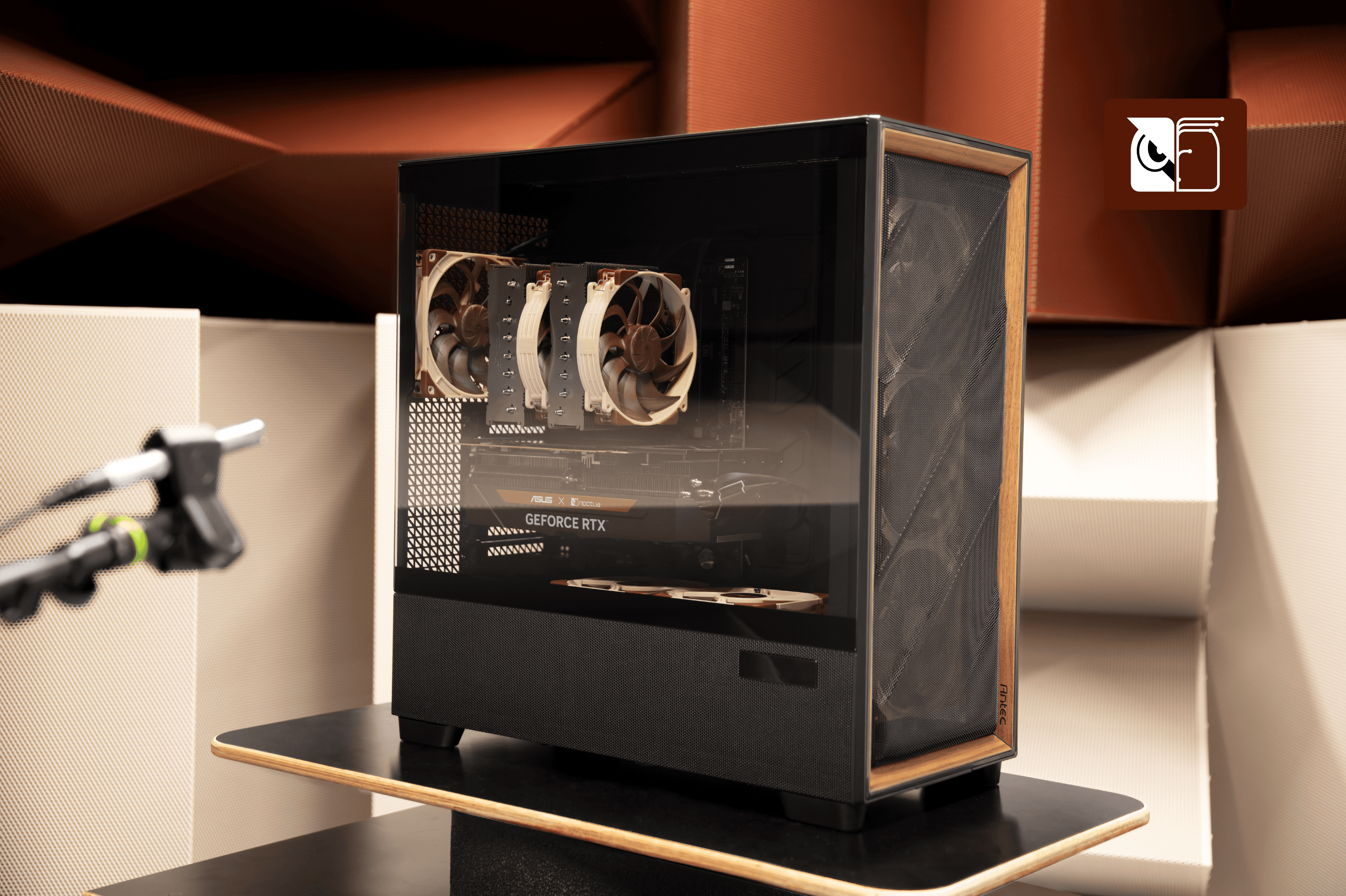
We have compared the NL-PNA1 to two Asetek Emma V2 covers with screens using an AMD AM5 setup installed in the Antec Flux Pro Noctua Edition case. In this scenario, the NL-PNA1 performed up to 4dB(A) better when referenced against the better of the two covers with screen and up to 6.4dB(A) better when compared to the worse one. In either case, the pump with NL-PNA1 ran significantly quieter throughout the entire RPM range with a minimum improvement of 2.2dB(A) versus the first cover and 3.8dB(A) versus the second:
In addition to reductions in total sound pressure levels, the NL-PNA1 provides especially strong damping in the higher frequency ranges and thereby shifts the entire sound signature of the pump towards lower frequencies that most human listeners perceive as more pleasant.
This shift in tonal characteristics is clearly visible when looking at the frequency spectrum with and without NL-PNA1. As can be seen from the following FFT chart at 100% speed, the NL-PNA1 is particularly effective in damping frequencies above, at this RPM, 1400 Hz:
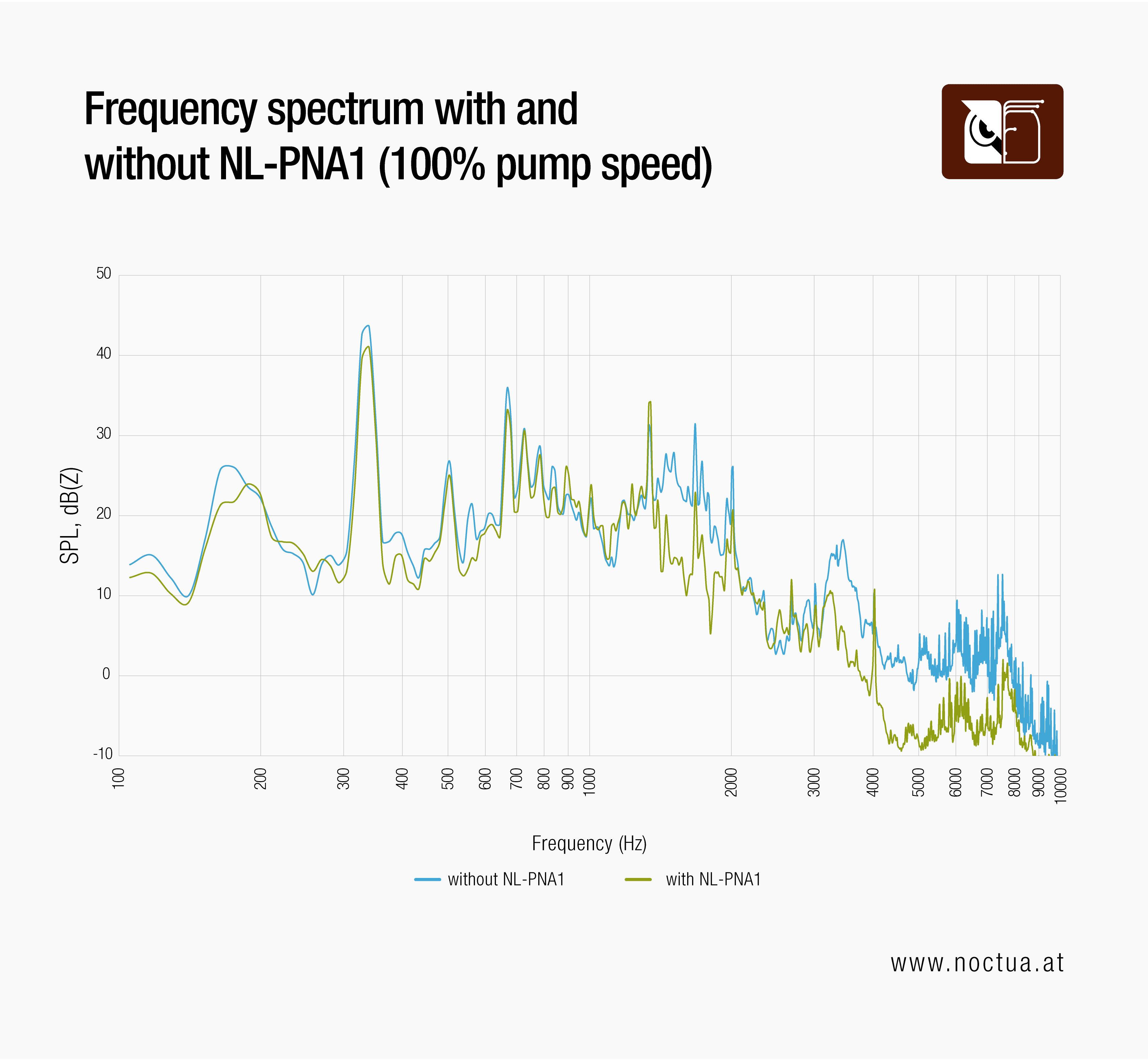
Even in the frequency ranges below 1000 Hz, a slight reduction in tonal frequency spikes is visible. For example, the spikes at 340, 500 and 670 show a clear reduction. The most prominent improvement, however, lies in the more broadband damping effects in the ranges of 1400-2000 Hz as well as 3-10 kHz, which causes an overall shift of the spectrum towards the frequencies below 1.4 kHz.
Visualising the same data in a spectrogram, it’s easy to see how the spectral content is more concentrated in the lower frequency ranges and the higher frequency ranges are attenuated when adding the NL-PNA1:
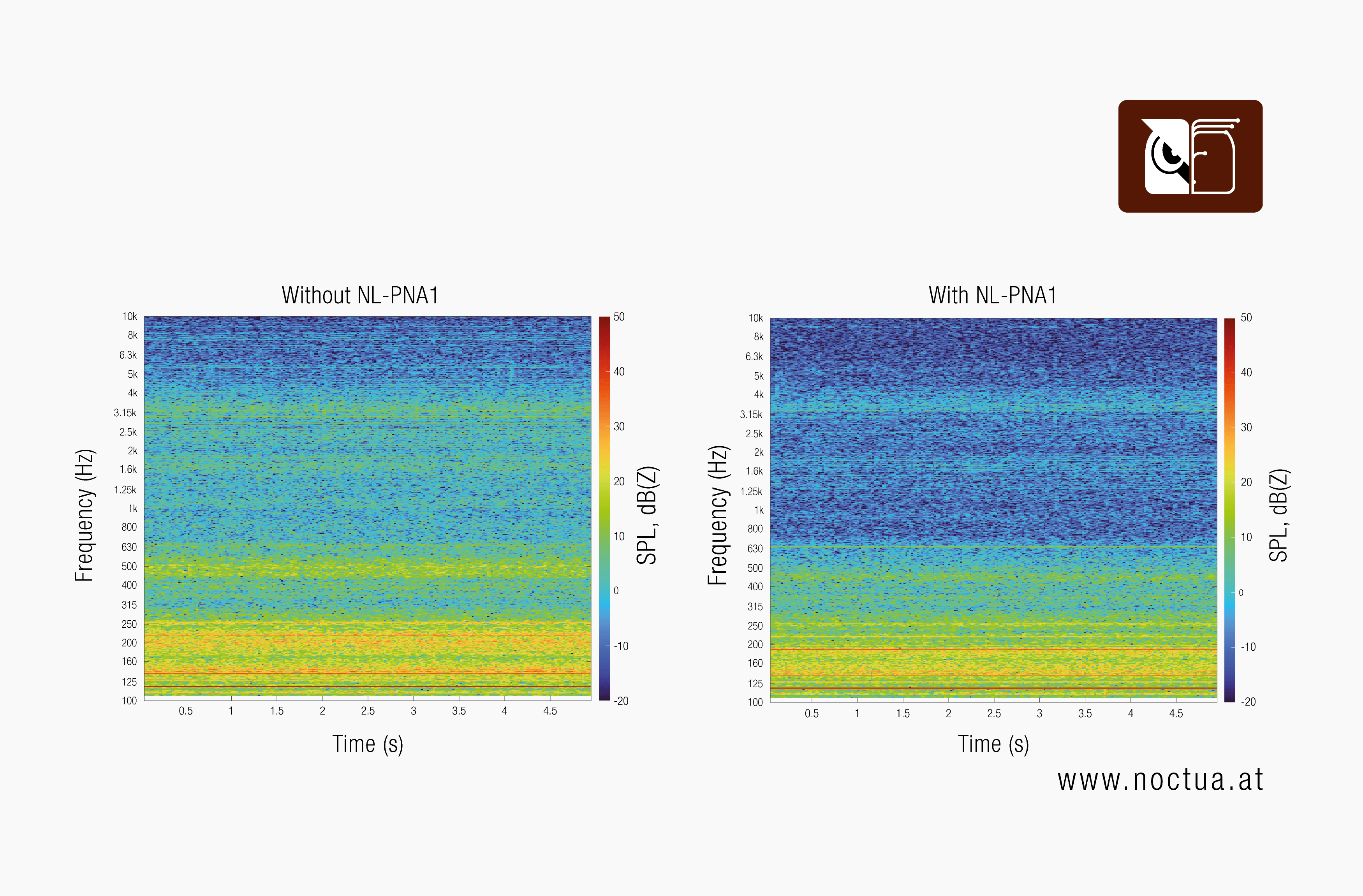
In the spectrogram, the entire frequency range above 670 Hz is more subdued and shows predominantly blue, which indicates sound pressure levels below zero dB. At the same time, the spectrogram also shows a slight reduction of the tonal frequency spikes in the lower frequencies, with the red lines becoming much less pronounced.
Psychoacoustic performance
We have also validated the acoustic improvements achieved with the NL-PNA1 according to psychoacoustic criteria such as loudness, sharpness, roughness, tonality and annoyance. Tested on the same AMD AM5 setup installed in an Antec Flux Pro Noctua Edition chassis, most key parameters except for tonality showed consistent improvements across most of the RPM range, which resonates well with the spectral analysis and subjective listening impressions.
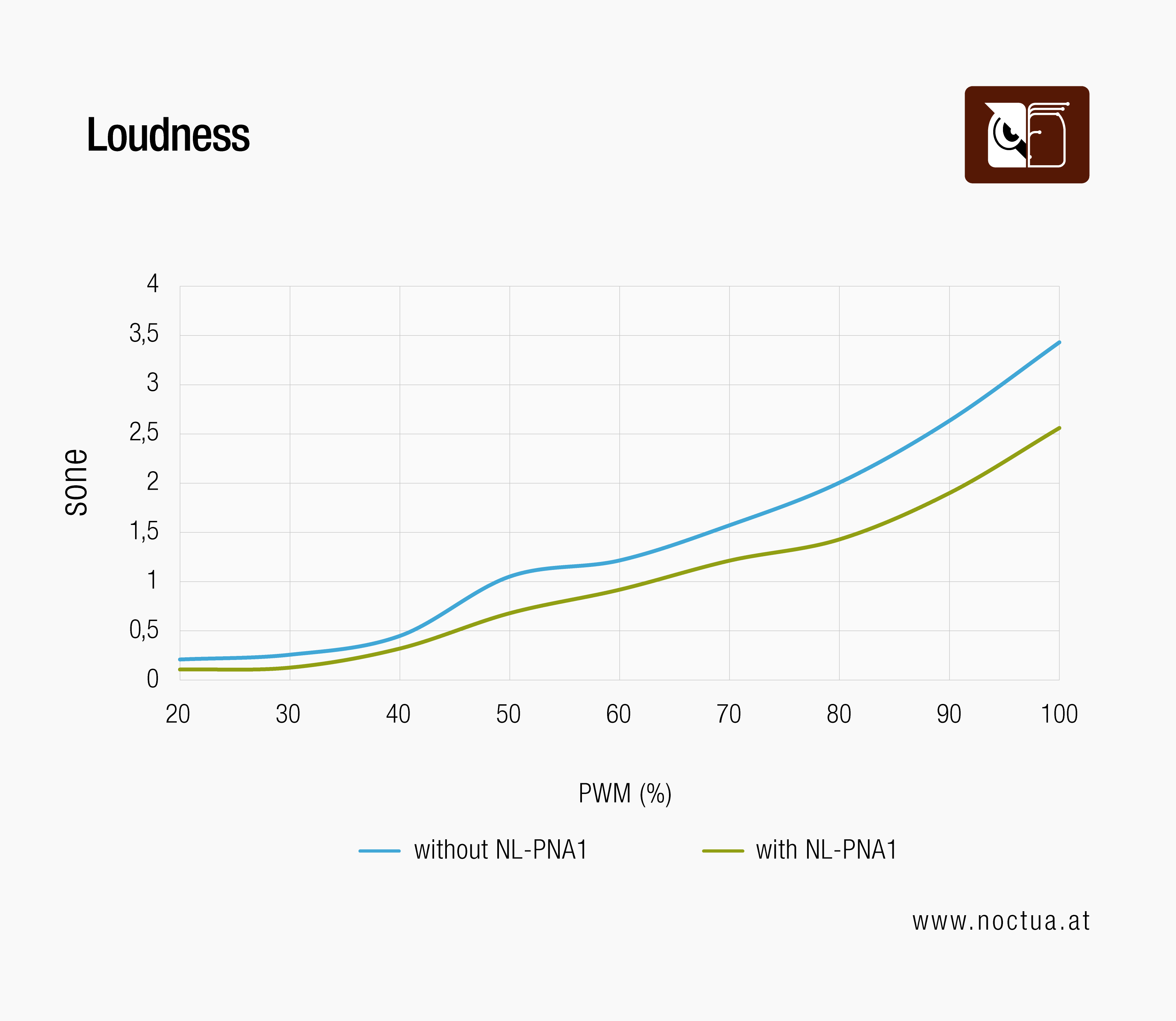
Loudness is a psychoacoustic parameter that quantifies the perceived intensity of a sound based on human auditory processing. Unlike dB(A), which is a frequency-weighted physical sound pressure level, loudness is a true perceptual measure that reflects how humans actually experience sound rather than just its acoustic energy. It is measured in sones and 1 sone corresponds to the perceived loudness of a 1 kHz tone at 40 dB SPL. Since loudness is a perceptual measure that factors in spectral and temporal composition, there is no direct correlation to SPL data for complex sounds (only for the specific reference condition of the 1 kHz tone at 40 dB).
As the results show, the NL-PNA1 achieves a clear reduction in loudness at pump speeds above 50%. Below this level, a reduction in SPL is measurable and, while the percentage reduction in loudness remains significant (e.g. 0.1 sone vs. 0.2 sone at 20% PWM), the perceived loudness is so low that the absolute reduction in loudness is small.
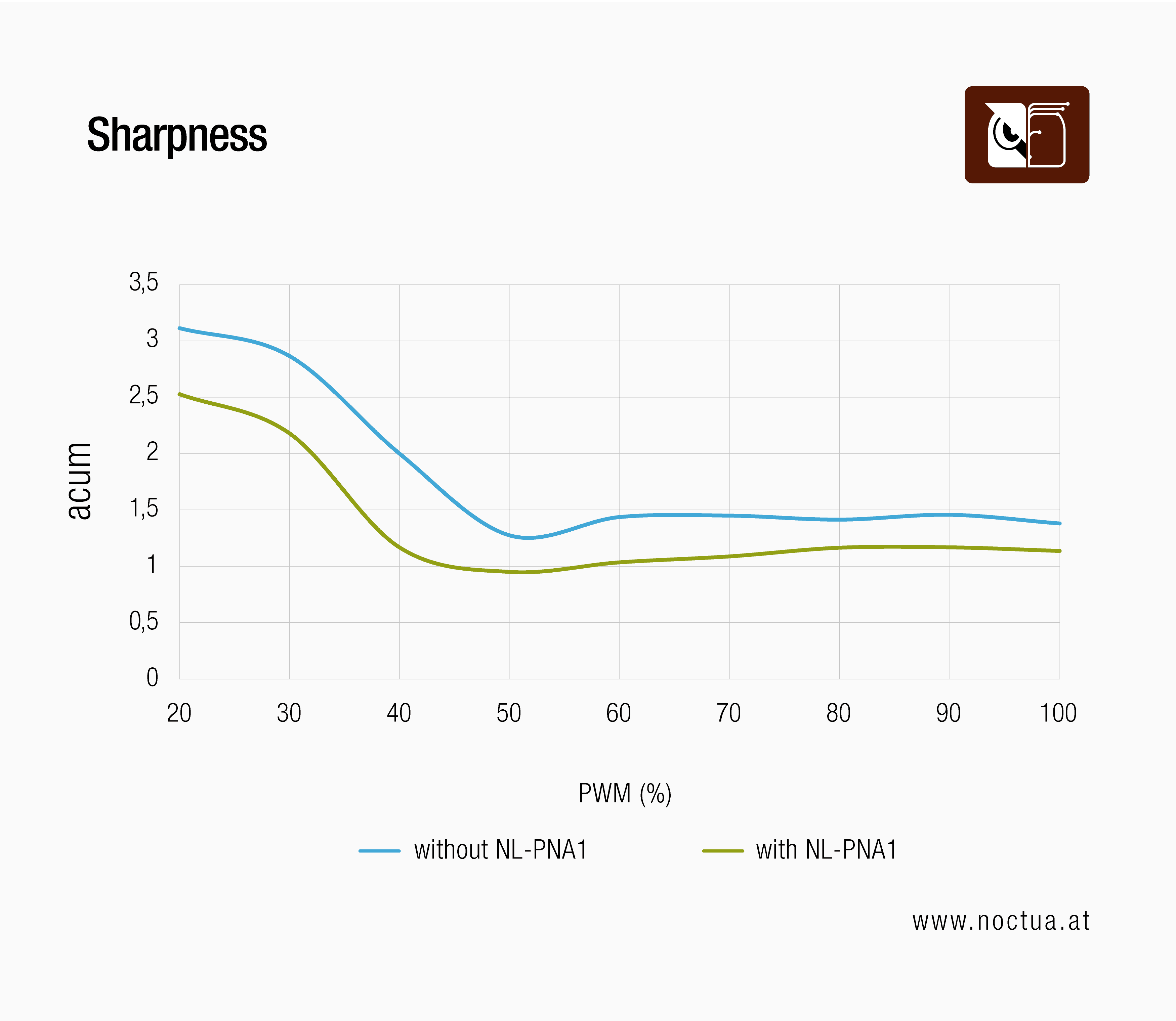
Sharpness is a psychoacoustic parameter that describes the perceived spectral balance of a sound, specifically the extent to which high-frequency components dominate the auditory sensation. Measured in acum, it is derived by weighting specific loudness across frequency bands, such that sounds with more high-frequency energy are perceived as sharper and often more intrusive. The consistent reduction in sharpness across most RPM settings correlates well with the significant SPL improvement in the higher frequency ranges that can be seen in the FFT spectrum.
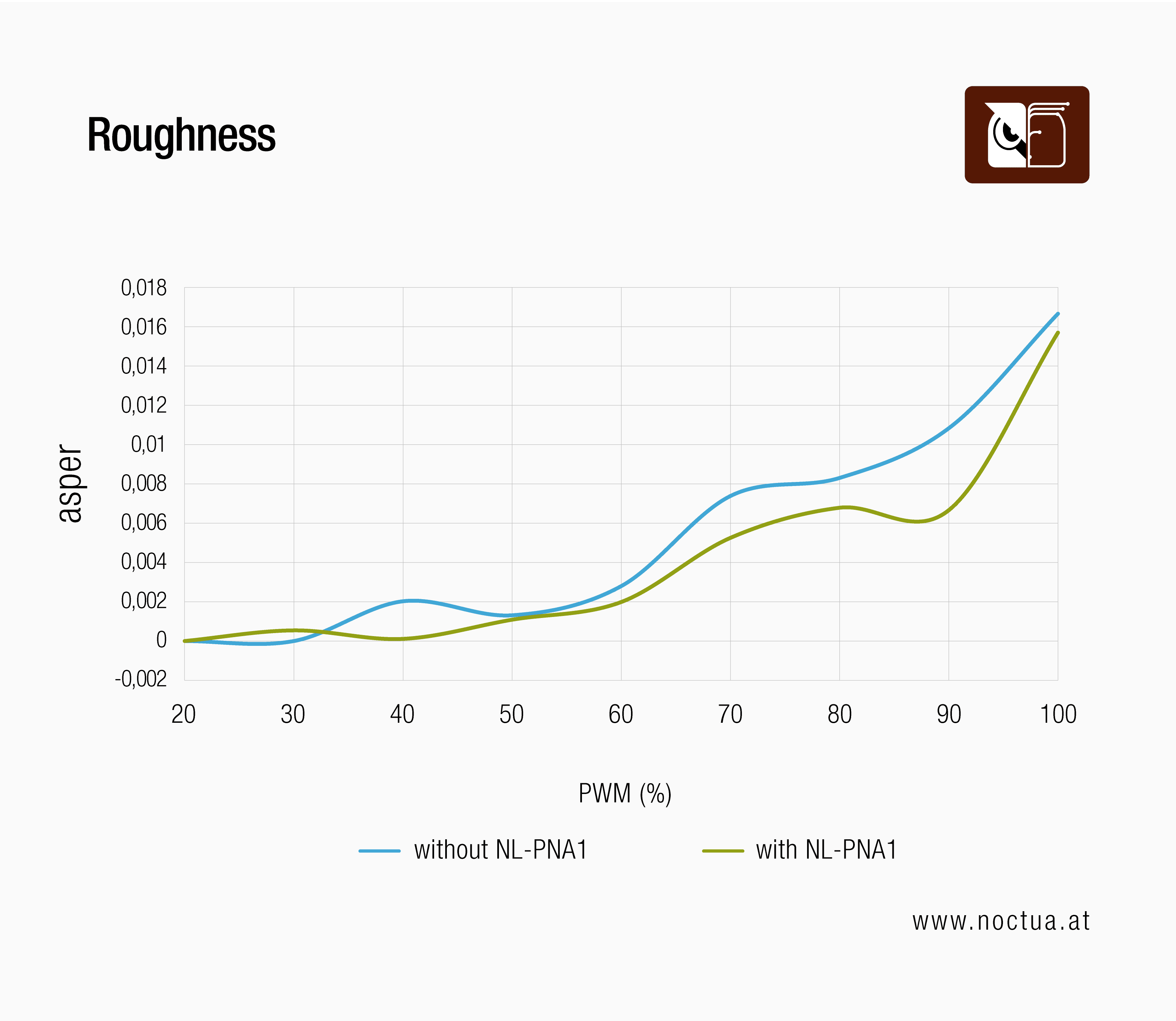
Roughness characterises the perception of rapid temporal fluctuations in sound amplitude, typically in the modulation frequency range of about 15–300 Hz, and is measured in asper. It arises from interactions between closely spaced frequency components and contributes strongly to the sensation of harshness or agitation in sounds. Again, the measurements show a clear improvement at most RPM settings.
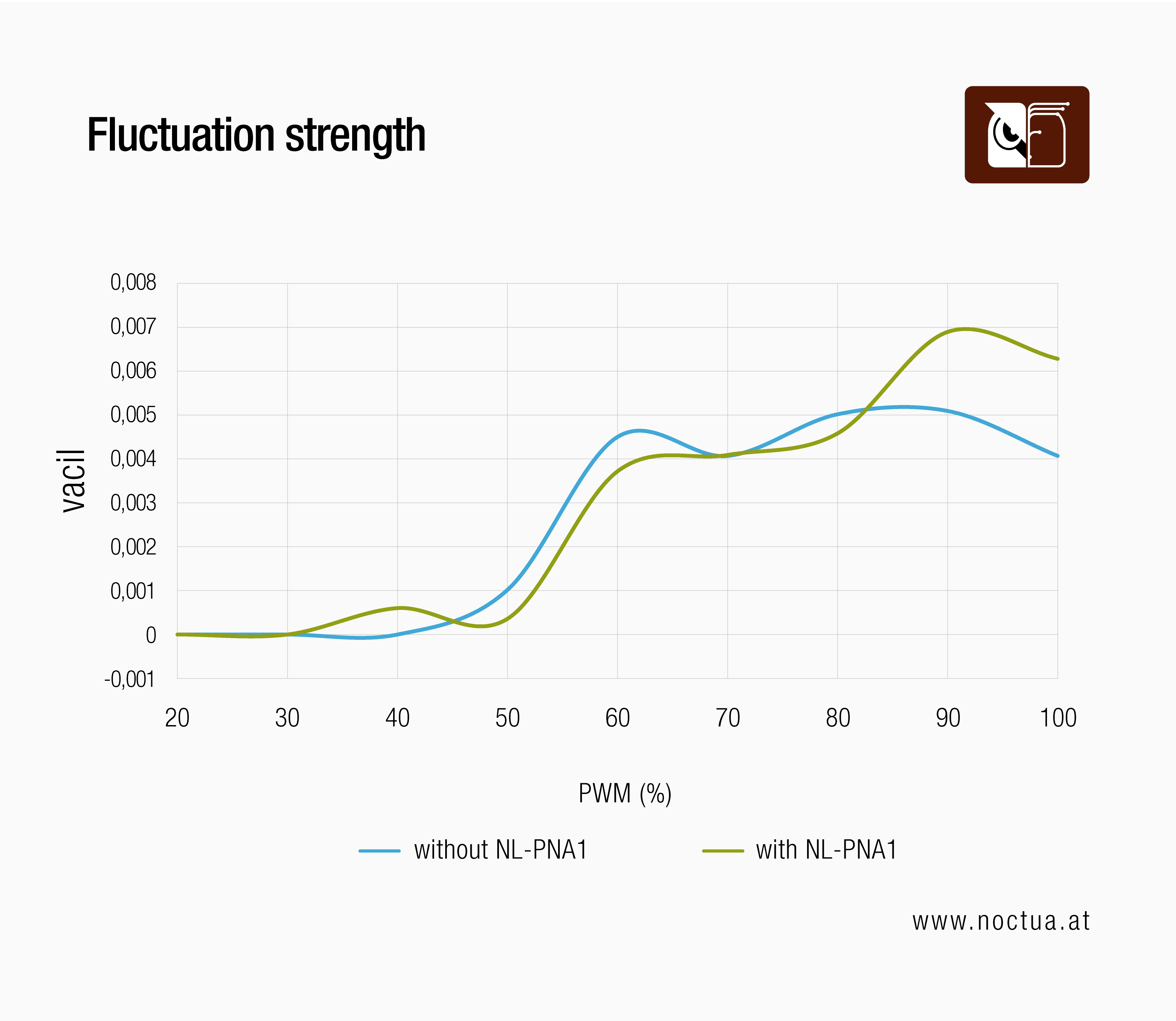
Fluctuation strength describes the perception of slow temporal variations in sound level, typically caused by amplitude modulations below about 20 Hz, and is measured in vacil. It is most prominent around modulation frequencies of ~4 Hz, where the human ear is particularly sensitive to these slow fluctuations. Like roughness but at lower modulation rates, it contributes to the perceived instability or “wavering” character of a sound. This metric doesn’t show a consistent result across the entire RPM range: While the NL-PNA1 yields marginal improvements between 45 and 70% PWM as well as at 80% PWM, results are slightly worse at 40% and above 80%.
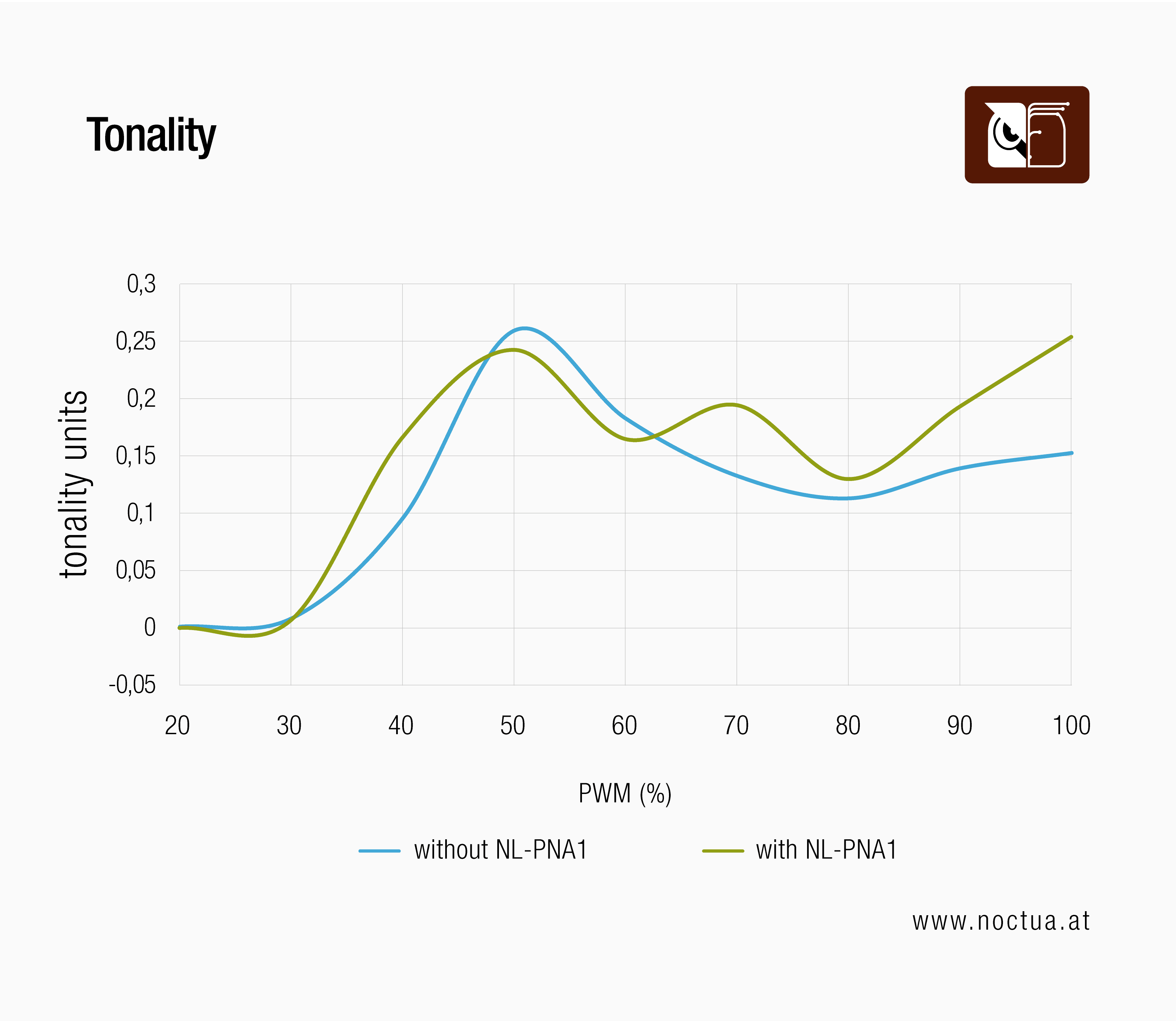
Tonality is the only important psychoacoustic parameter where the NL-PNA1 causes worse results at most RPM settings. It quantifies the degree to which distinct tonal components stand out from a broadband noise background, often expressed using tonality units (TU) or related tone-to-noise ratio metrics. The reason why the pump scores lower in tonality with the NL-PNA1 at most RPM settings is the shift towards lower frequencies described above: Since the acoustic spectrum of the pump is generally more tonal in the lower frequency ranges, efficient damping of the broadband higher frequency areas causes higher tonality scores because the ratio of tonal versus broadband noise shifts towards the first. As the frequency graph shows, the NL-PNA1 can also reduce tonal spikes in the lower frequency areas, but since the damping in the higher frequencies is more prominent, the tone-to-noise ratio is increased.
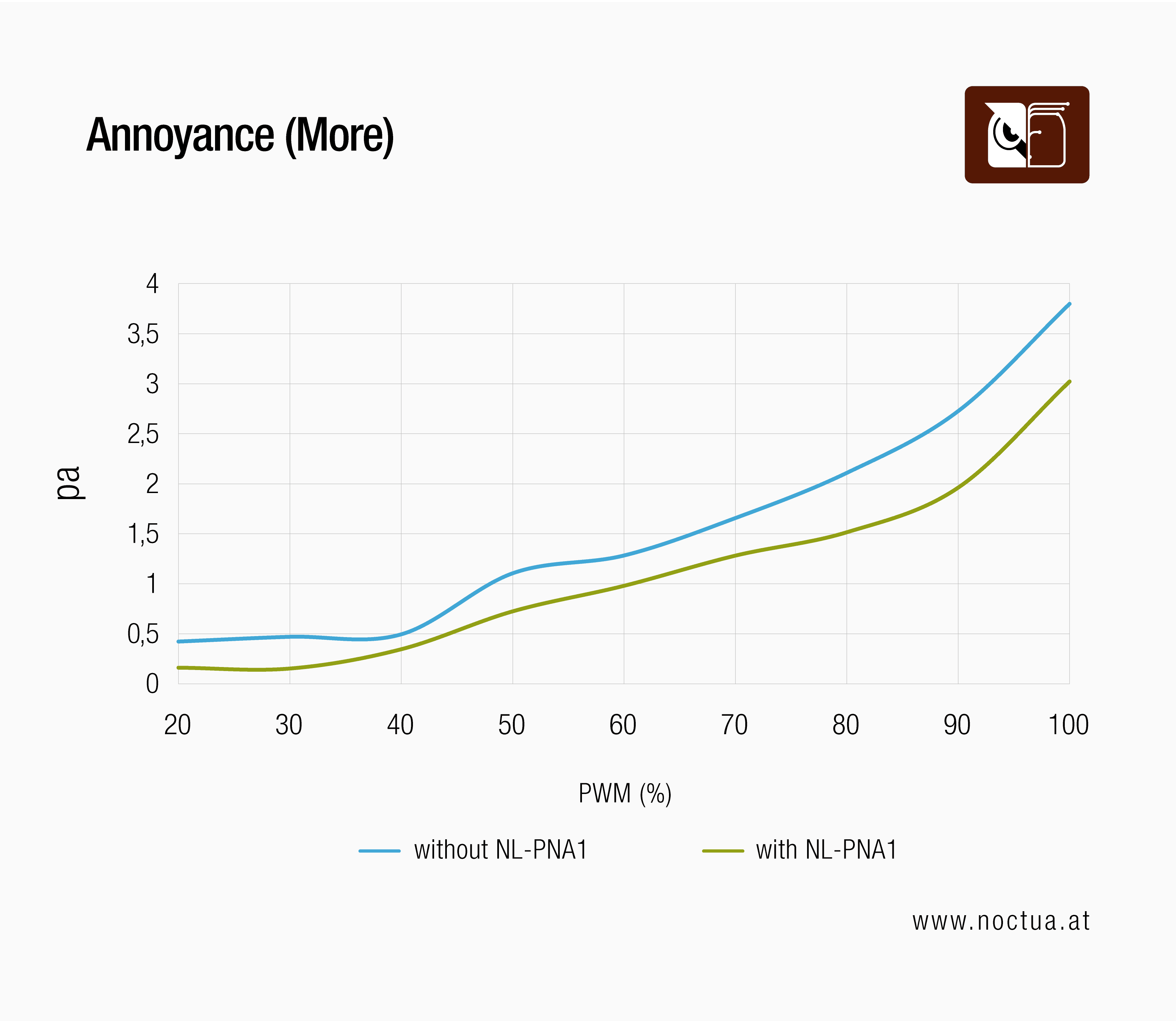
Psychoacoustic annoyance is a composite metric that estimates the overall perceived disturbance caused by a sound by combining contributions from loudness, sharpness, roughness, and (depending on the calculation standard) tonality. As such, it is arguably the most important metric because it aims to provide a comprehensive overall assessment of a sound’s psychoacoustic qualities. Annoyance is typically expressed in model-based or dimensionless units and reflects higher-level perceptual and cognitive responses to sound. While older calculation standards such as Zwicker’s don’t include tonality, we’ve used More’s model to make sure that the lower scores in tonality are factored into the overall assessment. As the results show, despite including the less favourable tonality scores, the NL-PNA1 provided a clear improvement in psychoacoustic annoyance across the entire RPM speed range, with just a slight dip around 40%.
Vibration reduction performance
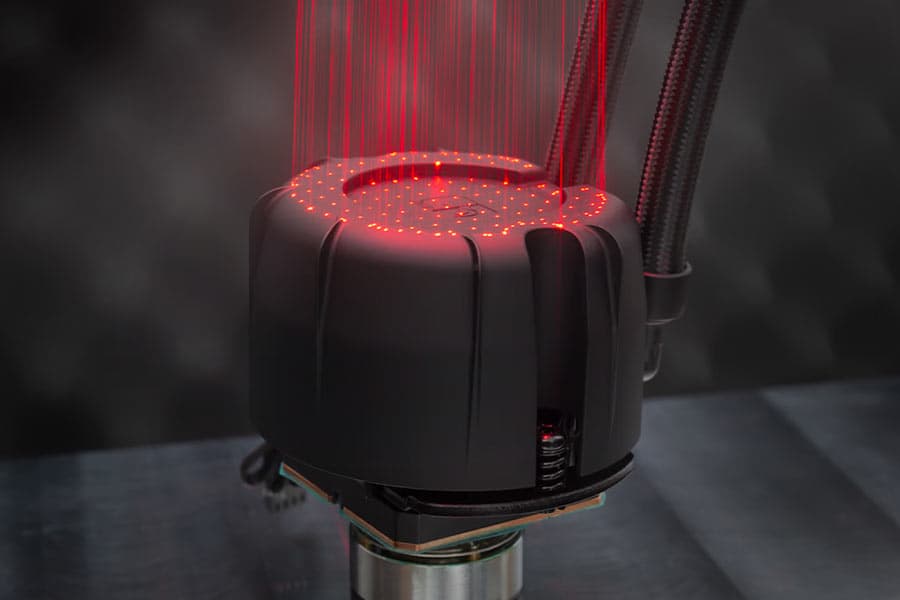
In our Doppler laser vibrometer analysis, the NL-PNA1 showed significantly better vibration reduction performance than many other pump covers used on Asetek Emma V2 coolers. Again, we compared against two covers with screens confirming superior results in various key parameters.
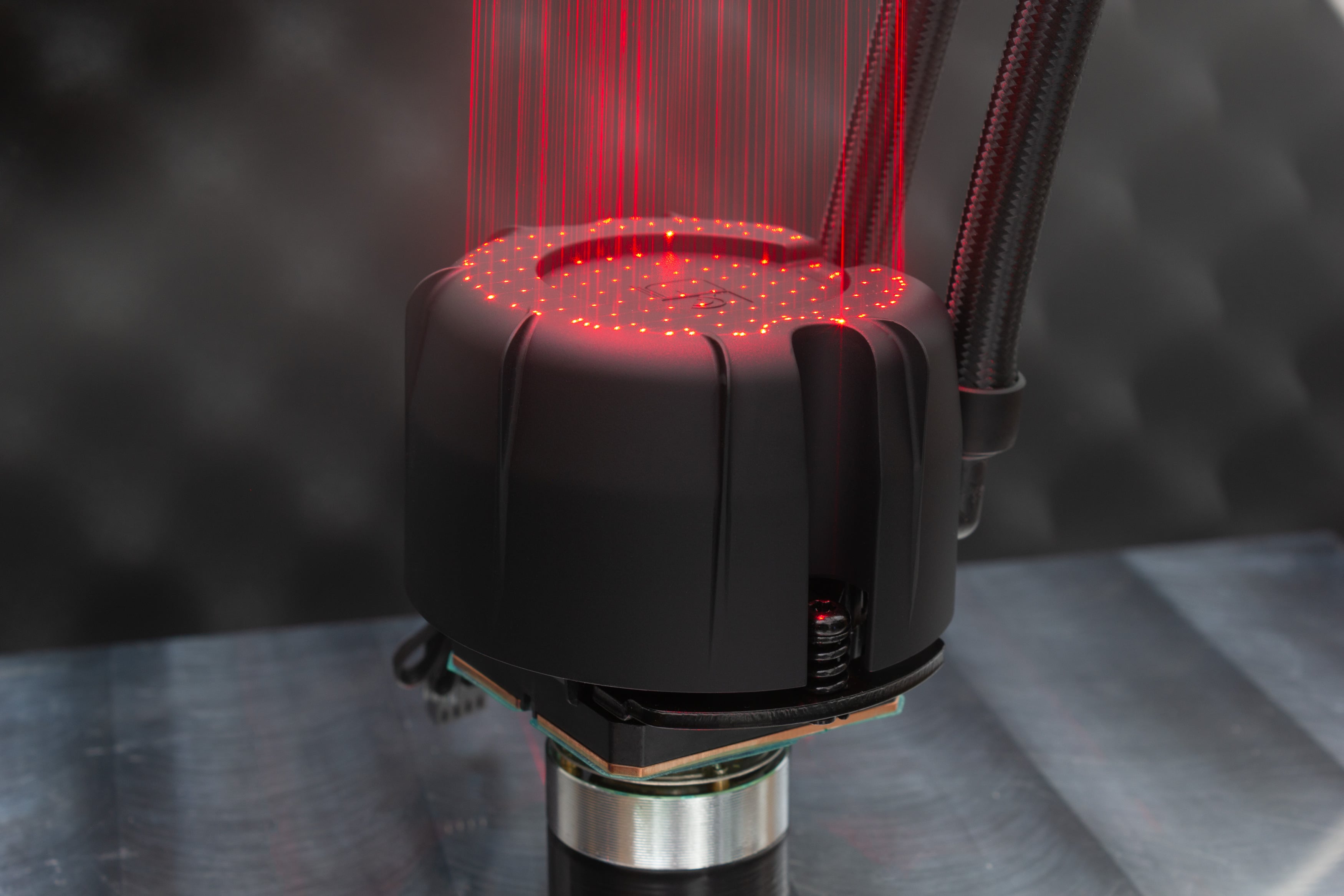
Most importantly, the NL-PNA1 exhibited higher modal stiffness and internal damping values. This means that it is less prone to resonance at vibration frequencies that are prominent in the pump’s spectrum and more efficient in dissipating vibrational energy through internal mechanisms such as foam cell deformation, air flow friction, viscoelastic losses and polymer chain friction. In combination, this enables the NL-PNA1 to minimise both oscillation and vibration amplitude.
Another advantage of the NL-PNA1 over the analysed competitors is its smaller effective vibration area (EVA). With a lower surface area transmitting vibratory energy, acoustic radiation can be minimised further.
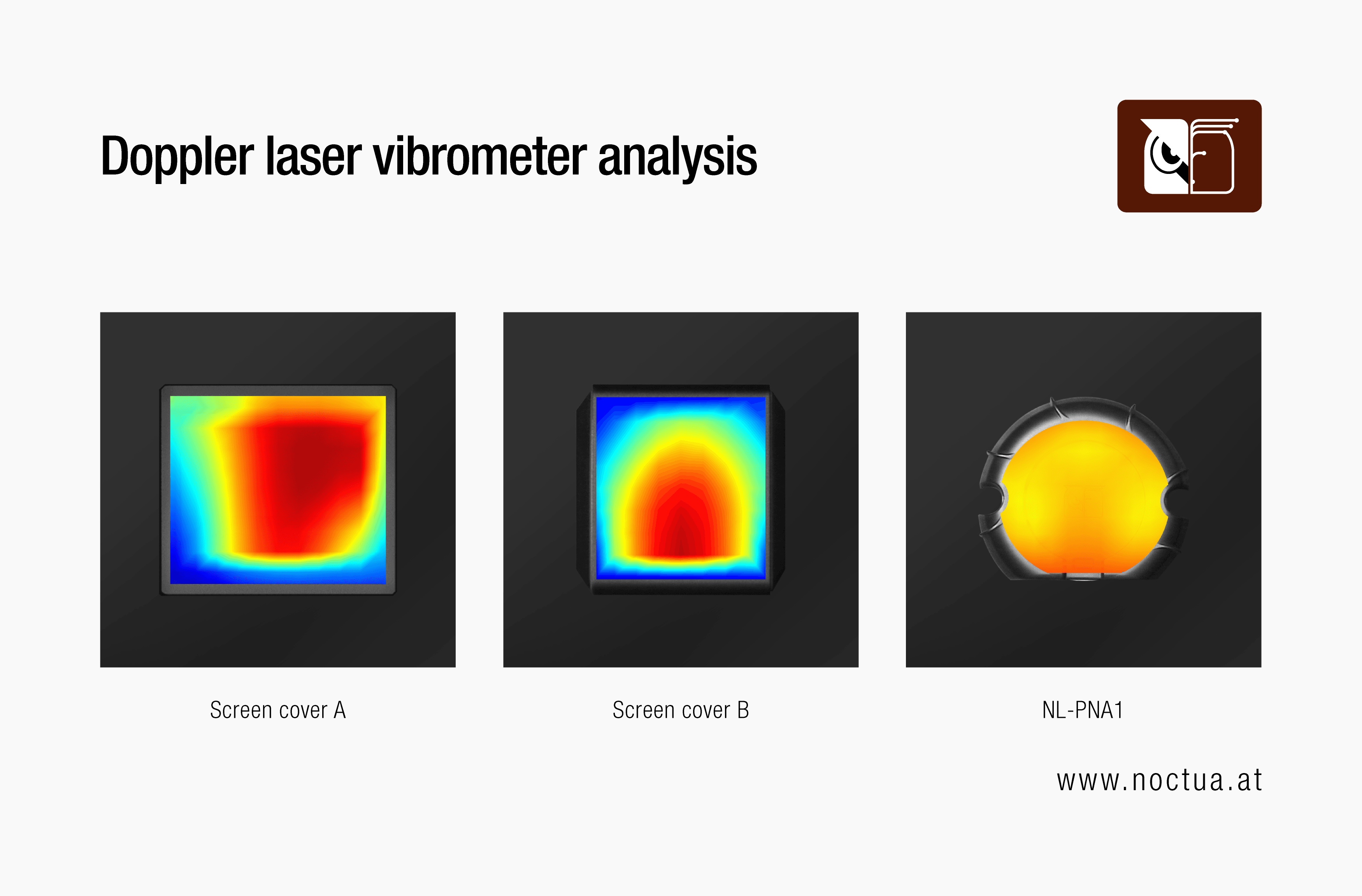
Last but not least, the NL-PNA1 exhibits a different vibration mode shape than the other covers analysed. Vibration mode shapes are the specific, characteristic spatial patterns of deformation that a structure or mechanical system assumes when it vibrates at one of its natural (resonant) frequencies. Whereas the NL-PNA1 shows a dome-type mode where circumferential sine waves are dominant, one of the two covers with screens exhibits plate-mode vibrations that are characterised by standing wave patterns, similar to Chladni patterns where sand collects at stationary nodal lines. The second cover with screen shows mixed modes with both types of patterns. The dome-type mode of the NL-PNA1 helps to distribute acoustic radiation over a broader spatial range, which not only makes the transmission less efficient but also reduces the concentration of sound waves in particular areas and directions.
As can be seen in the Doppler laser measurements, the NL-PNA1 shows both a lower maximum vibration amplitude and a more even distribution of the vibratory energy over its effective vibration area:
Conclusion
Reducing both structure-borne vibrations and air-borne noise emitted by the pump, the NL-PNA1 enables Noctua’s NL-LC1 coolers to run significantly quieter than other Asetek Emma V2-based liquid coolers. Combined with the best-in-class quiet cooling performance of the NF-A14x25 G2 and NF-A12x25 G2 fans, it makes NL-LC1 series coolers an ideal choice for highly noise-conscious users who want to tap the performance benefits of all-in-one liquid cooling while maintaining the smoothest possible acoustic profile.
Mentioned products
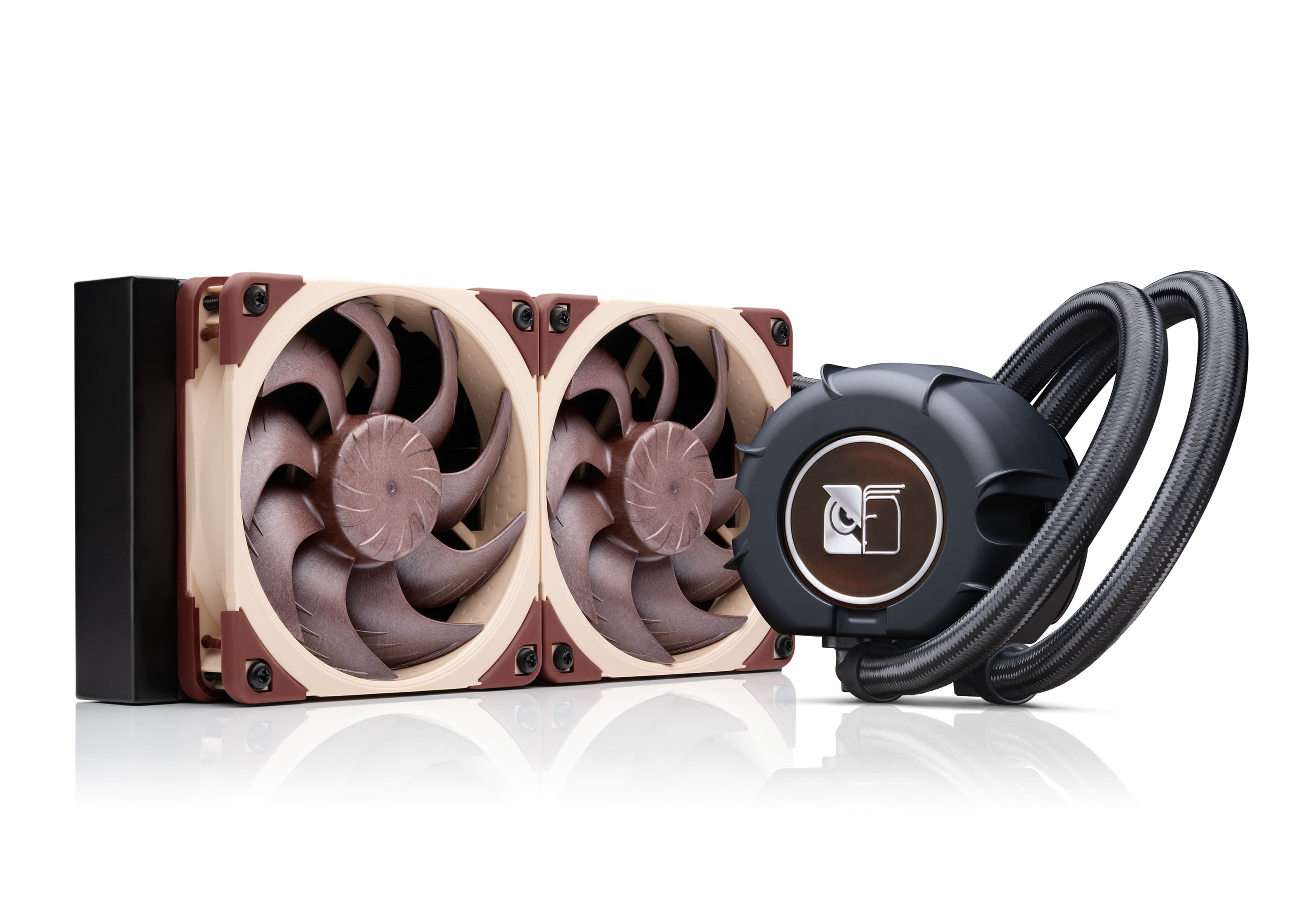
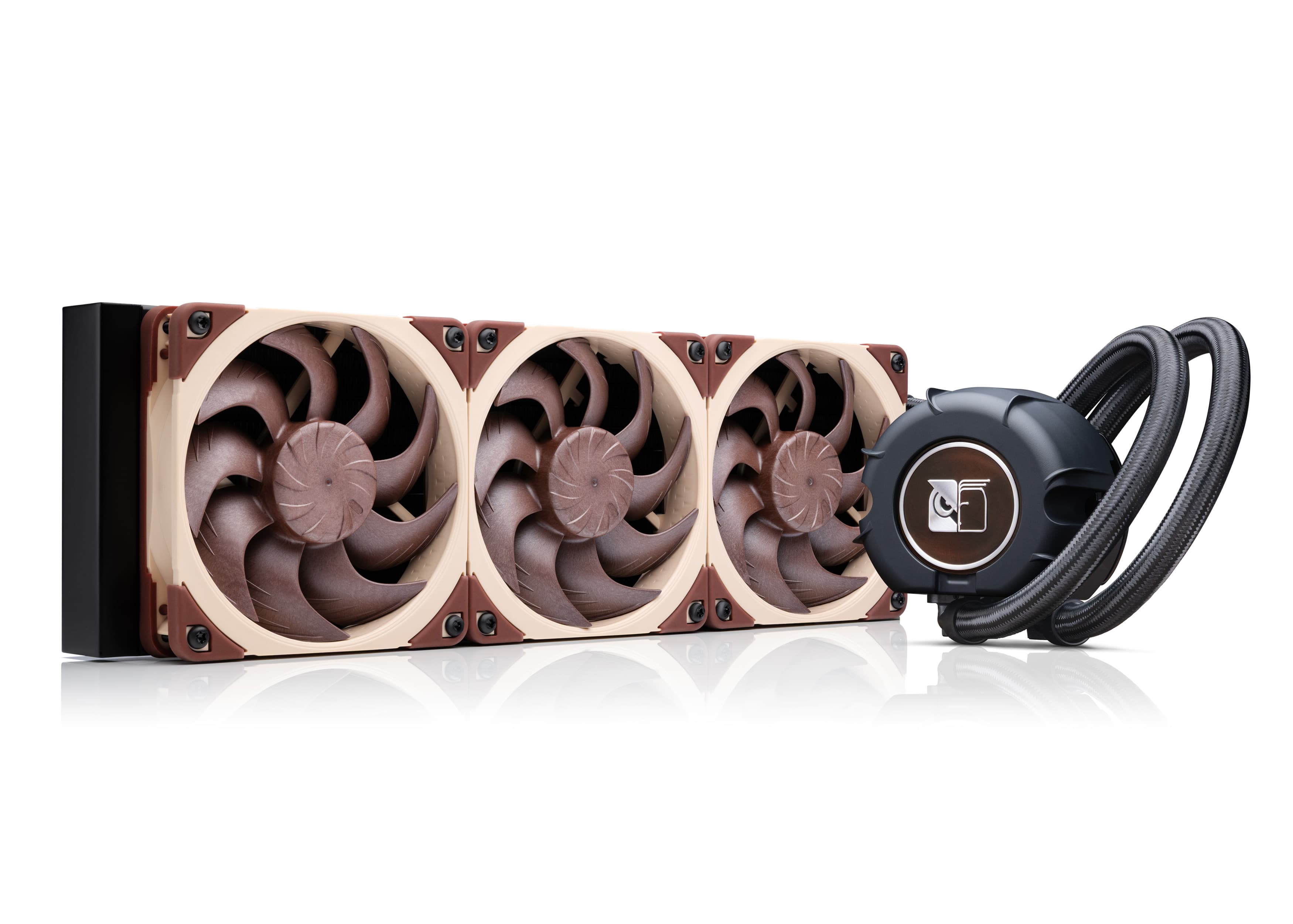
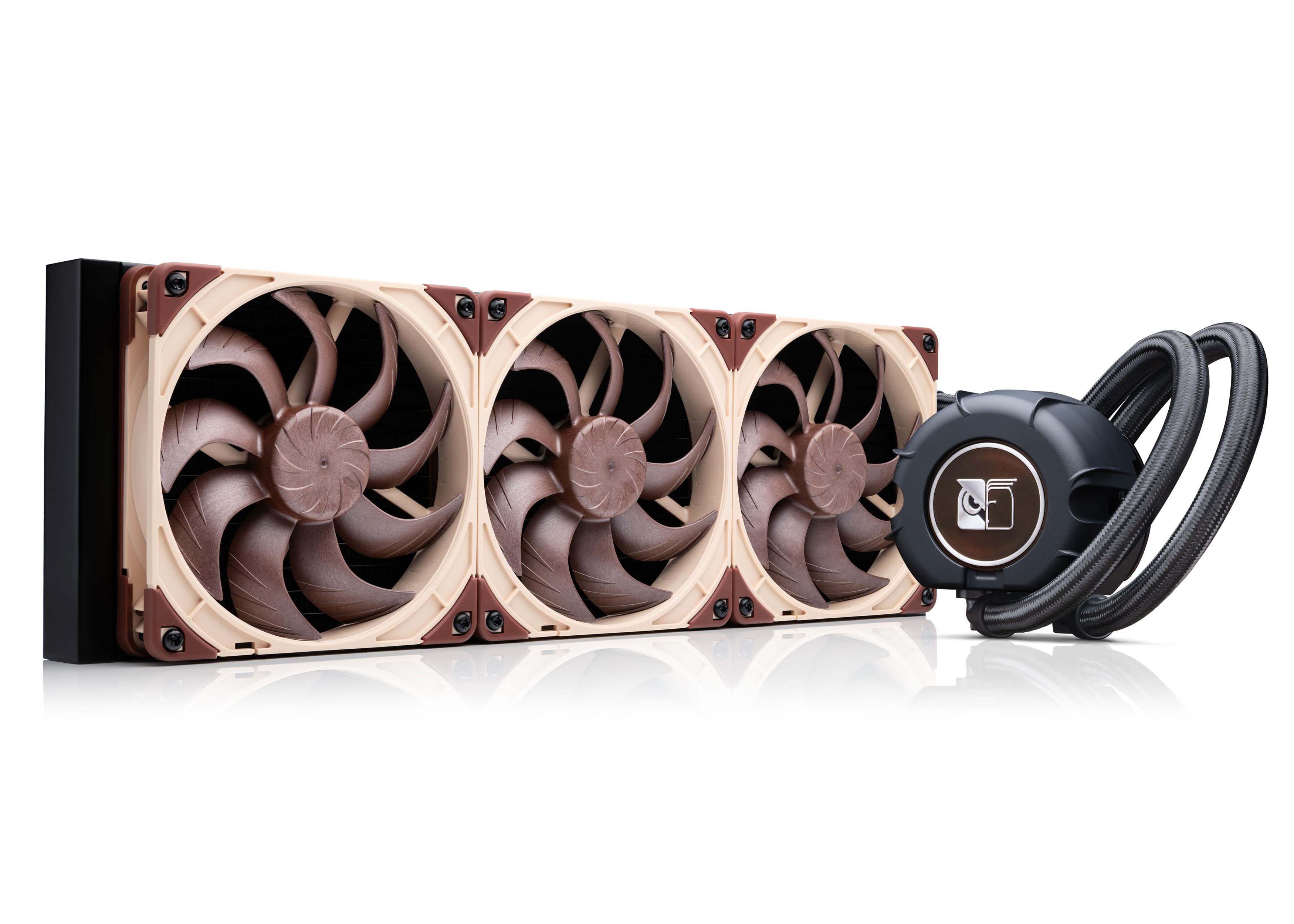
Explore the products featured in this article.
Further resources
Want to know more on this topic? Explore relevant articles and resources.
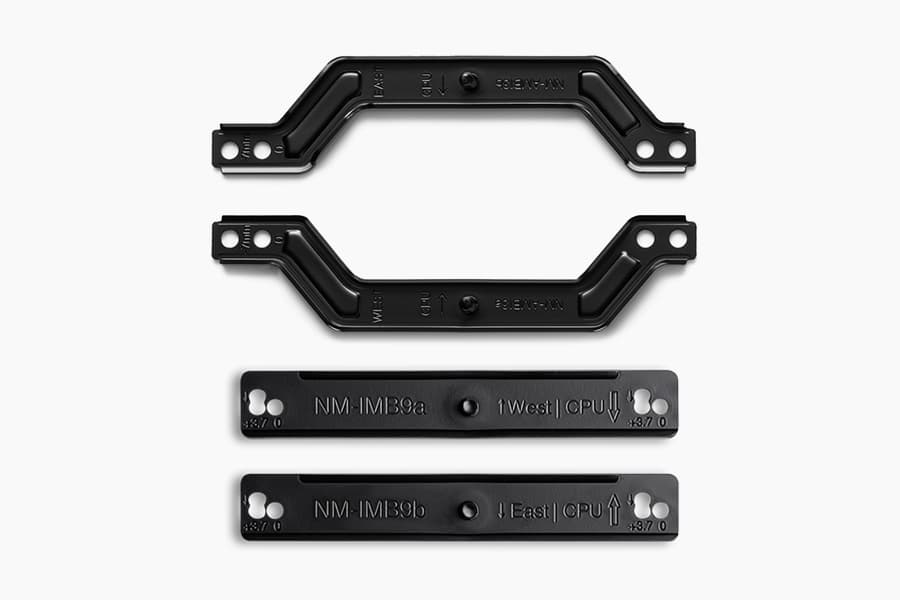
How our SecuFirm2+™ mounting system enables NL-LC1 coolers to achieve lower temperatures
Our SecuFirm2+™ mounting system ensures optimal force transfer and contact pressure, which can give the NL-LC1 a slight edge over other Emma V2 based coolers.
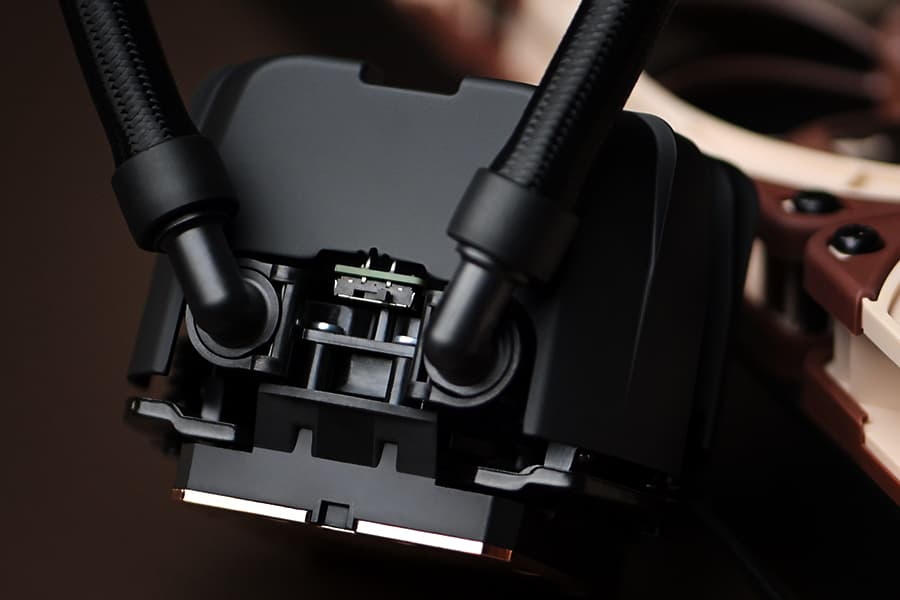
NL-LC1 series AIO coolers’ pump speed profiles explained
The NL-LC1 series’ pump comes with an integrated mode switch that makes it possible to choose between three settings (Quiet, Balanced and Manual).
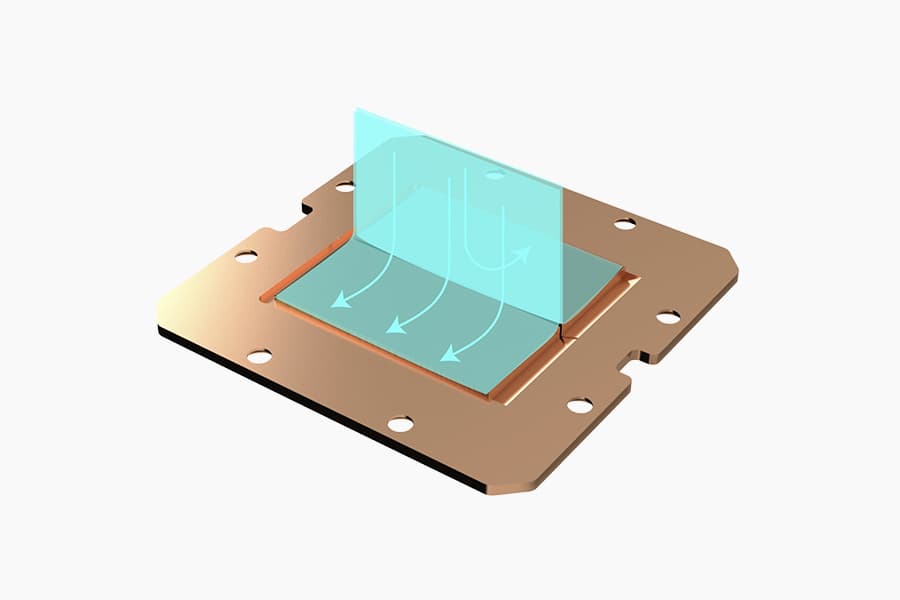
Asetek Emma V2: State-of-the-art closed-loop liquid cooling
The Asetek Emma V2 represents the pinnacle of Asetek's evolution over the last two decades at the forefront of all-in-one liquid cooling.
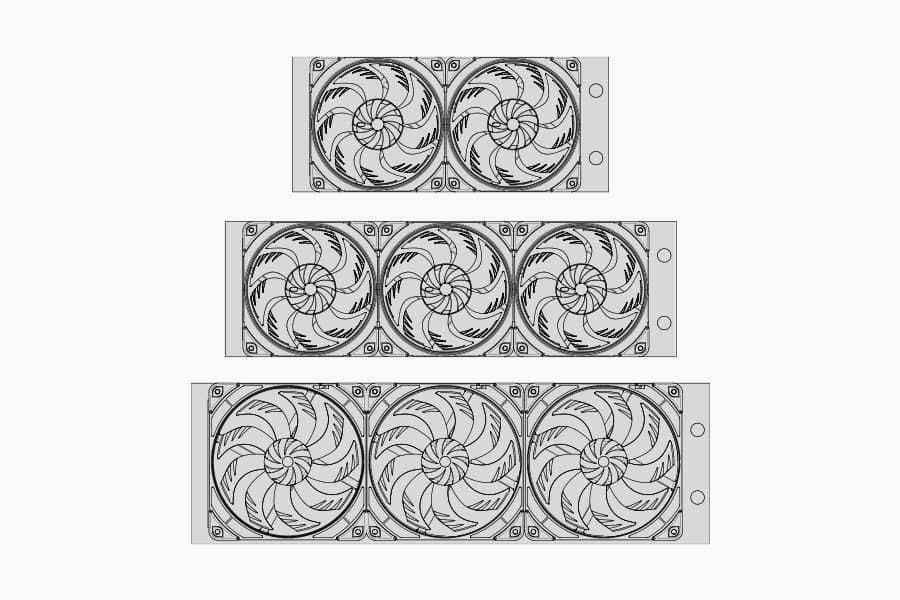
Which AIO radiator size should I choose – 420, 360 or 240mm?
Which AIO Radiator size is right for you? 360, 240 or 420? Discover which model offers the best possible performance-to-noise efficiency for your setup.
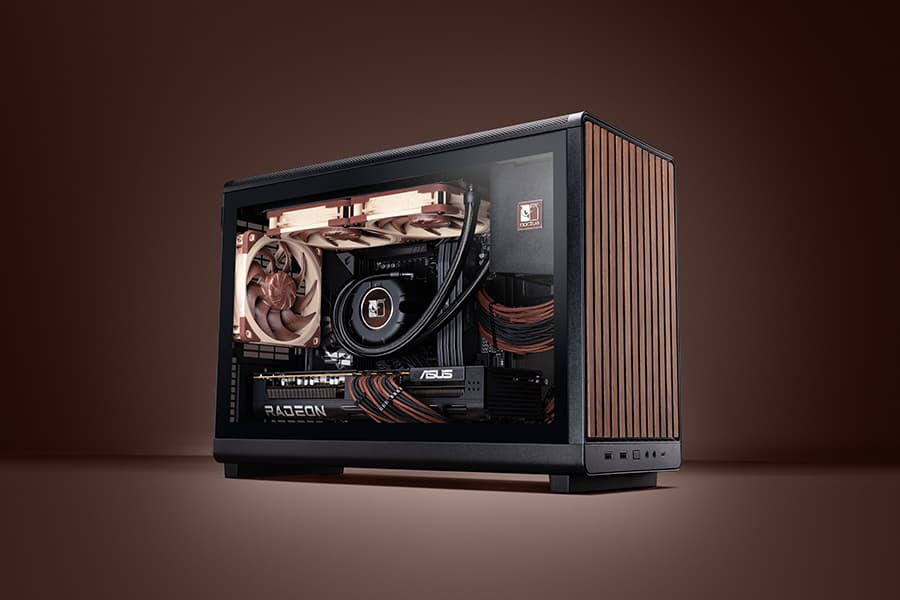
Air cooling or water cooling, which one to choose?
Both air coolers and all-in-one liquid coolers have their respective advantages and disadvantages. We have summed them up for you in this guide to help with your buying decision.
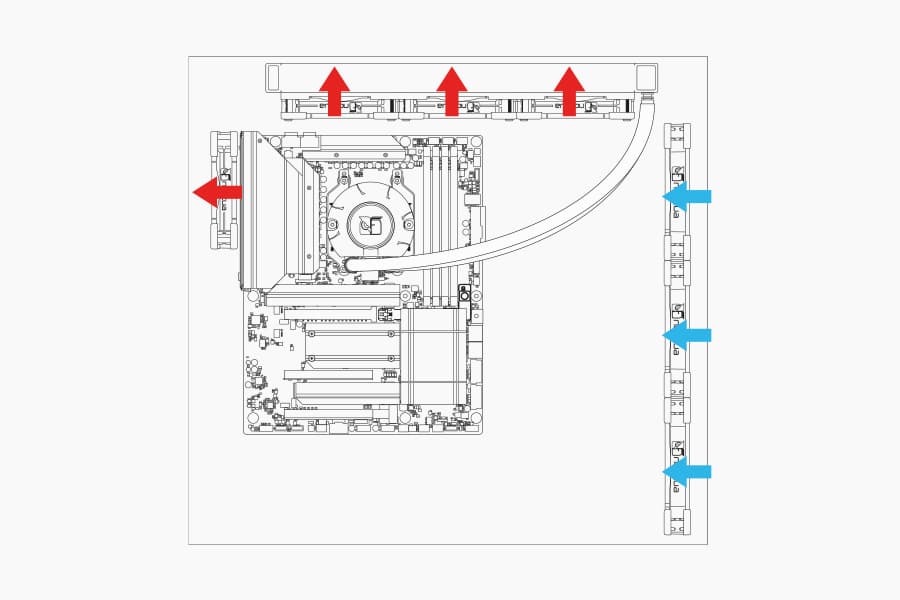
Where should I install my AIO radiator (top vs. front/side)?
Many modern tower-style PC cases allow liquid coolers to be installed in more than one position (top, front or side of the case). This article explains their pro's and con's.
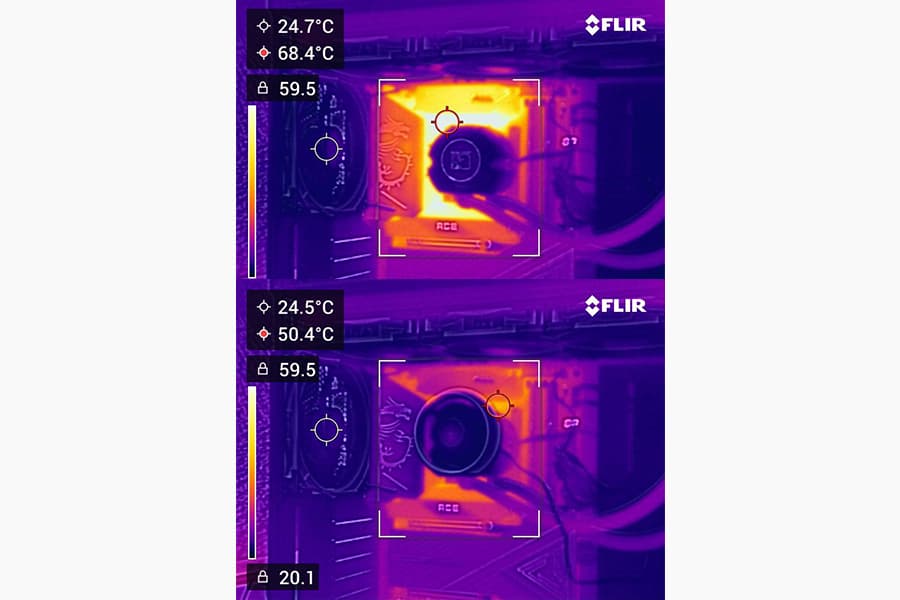
Should I use the NL-ACF1 auxiliary cooling fan?
The NL-ACF1 is an optional auxiliary cooling fan for NL-LC1 liquid coolers that provides extra airflow to near-socket compontents such as VRMs, M.2 SSDs or RAM.
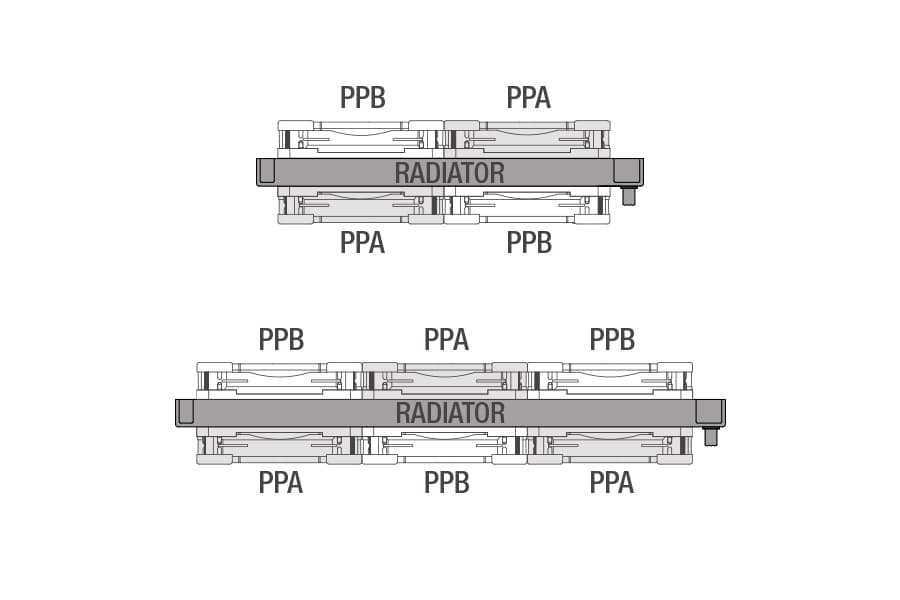
How should I set up my NL-LC1 radiator fans (push, pull or push-pull)?
Whether you've just purchased or are about to purchase our NL-LC1 radiator, you're probably wondering how to position the fans in your build for the best results...
Related articles
Want to know more on this topic? Explore relevant articles and resources.
Air cooling or water cooling, which one to choose?
Both air coolers and all-in-one liquid coolers have their respective advantages and disadvantages. We have summed them up for you in this guide to help with your buying decision.
Should I use the NL-ACF1 auxiliary cooling fan?
The NL-ACF1 is an optional auxiliary cooling fan for NL-LC1 liquid coolers that provides extra airflow to near-socket compontents such as VRMs, M.2 SSDs or RAM.
Asetek Emma V2: State-of-the-art closed-loop liquid cooling
The Asetek Emma V2 represents the pinnacle of Asetek's evolution over the last two decades at the forefront of all-in-one liquid cooling.
NL-LC1 series AIO coolers’ pump speed profiles explained
The NL-LC1 series’ pump comes with an integrated mode switch that makes it possible to choose between three settings (Quiet, Balanced and Manual).