


Let’s get this out of the way first: the NT-CP1 AM5/4 thermal pad has been validated for AMD AM5 and AM4 processors only. Since we cannot guarantee optimal performance in other applications, using the pad on other chips is at your own risk. That said, we obviously couldn’t resist experimenting with it ourselves, and there is one particular case we would like to share.

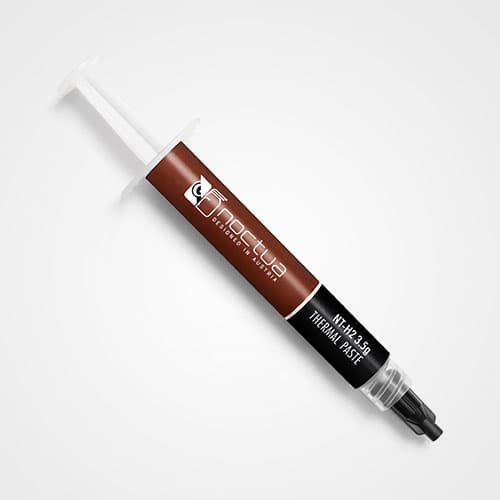
One of the laptops in our fleet, a Lenovo P14s Gen 4, had suffered from chronic overheating problems for well over a year. We had repasted it with NT-H1, NT-H2 and even third-party pastes advertised as being particularly suitable for bare-die applications. Regardless of the paste, however, temperatures began creeping upwards again within just a few weeks.


The issue might be linked to the fact that the laptop is mostly used in a vertical stand and connected to a dock with a Thunderbolt cable, rather than in a horizontal position like most laptops, or that this particular system is simply more prone to pump-out.
We have not experienced such a rapid deterioration in thermal performance with any other laptop in our fleet. The heat transfer issues were so severe with this unit that the entire PCB and chassis got soaked with heat, resulting in outer surface temperatures of up to 60°C. Whatever the root cause, this unit was an ideal candidate for an experiment with the new NT-CP1 carbon nanotube pad.


From previous repasting, we were already aware that the CPU had no current-carrying SMDs in its vicinity, while the GPU chip did. We used Kapton tape to insulate the SMDs around the chip and carried on with preparing the NT-CP1 pad. If you are unsure or can’t clearly identify whether your chips have current-carrying SMDs, you can choose to insulate around the chip anyway. It’s important not to forget that the NT-CP1 pad can become highly conductive after the outer polymer layer reflows, exposing the carbon nanotubes.


After several frustrating rounds of repasting, with each thermal compound beginning to lose performance within a few weeks, we cut an NT-CP1 AM5/4 pad in half and trimmed the two sections to be slightly larger than the exposed dies of the laptop’s Intel Core i7-1360P CPU and NVIDIA RTX™ A500 GPU. This ensured that any burrs created by cutting remained outside the contact areas between the cooler and the dies. We then removed the protective liners from one side of the pads, pressed them onto the dies, removed the upper liners and reinstalled the cooler.

After reassembling the laptop and opening HWiNFO, we were surprised by the initial results. Temperatures were already excellent immediately after installation and improved further once normal use had caused the pad’s phase-change polymer coating to reflow. They were clearly better than with any of the thermal pastes we had tried when compared under similar load conditions.

Of course, this is anecdotal evidence from a single unit, and no other laptop in our fleet has experienced similarly severe problems with thermal-paste stability. Even so, the change on this particular system was dramatic. Before we switched to the pad, the fans ran almost continuously, often close to their maximum speed, while the CPU still repeatedly reached its thermal limit. Under our typical usage conditions, battery life had also fallen to around one hour.
On the left, we can see the average CPU temperatures with the third-party paste during a typical office workload, measured over roughly an hour and a half. This is the same paste shown in the photos at the beginning of the blog post, and at this point, it was about one month old. On the right-hand side, we can see the HWiNFO® results from a similar workload over the same timeframe with the NT-CP1, one week after installation.


The temperature still spiked over 100°C at maximum, but the cooler achieved around 16W more package power before running into the thermal limit. Average core and package temperatures were 5-7°C lower at the same average package power. This is a notable improvement considering that the paste was only around a month old – before the last repasting, the unit was already running 15-20°C hotter and no longer able to reach the same sustained package power.
With the NT-CP1, the laptop is also considerably quieter, with the fan remaining completely off under light workloads and rising only to moderate speeds under sustained load. More importantly, CPU temperatures have remained at this level for roughly five months, up to the time of writing. With every paste we had previously used, temperatures had begun rising significantly well before this point. Under comparable conditions, observed battery life has increased to more than four hours.
Thankfully, most laptops don’t suffer from such severe problems with thermal paste stability, and this individual result should not be regarded as representative of laptop use in general. That said, further tests on another laptop in our fleet have already shown similarly positive results. On a Lenovo X1 Carbon Gen 11, we replaced the thermal paste, that had been applied by a service technician around a year ago, with an NT-CP1 pad. Immediately after the replacement, the maximum sustainable package power of the Intel Core i7-1365U CPU increased from ~23W to ~28W. Several days later, once the pad was fully activated, the maximum sustainable power level could be pushed all the way to ~32W. While this laptop did not suffer from overheating issues as severe as those of the P14s, replacing the paste with a cut-to-size NT-CP1 pad still delivered a significant thermal improvement, resulting in quieter operation at the same power level and higher sustainable turbo clock speeds.


Since laptop designs vary considerably in contact pressure, surface flatness and component clearances, we cannot guarantee optimal performance or generally recommend the NT-CP1 for this application. At present, any use outside the validated AMD AM5 and AM4 applications remains at the user’s own risk. Nevertheless, the results we’ve seen illustrate the potential of the NT-CP1 in systems affected by severe pump-out, so if you’re seeing similar issues and you’re willing to experiment with NT-CP1 pads at your own risk, it could be worth a try.
Mentioned products
Explore the products featured in this article.

NT-CP1 AM5/4
NT-H1 3.5g
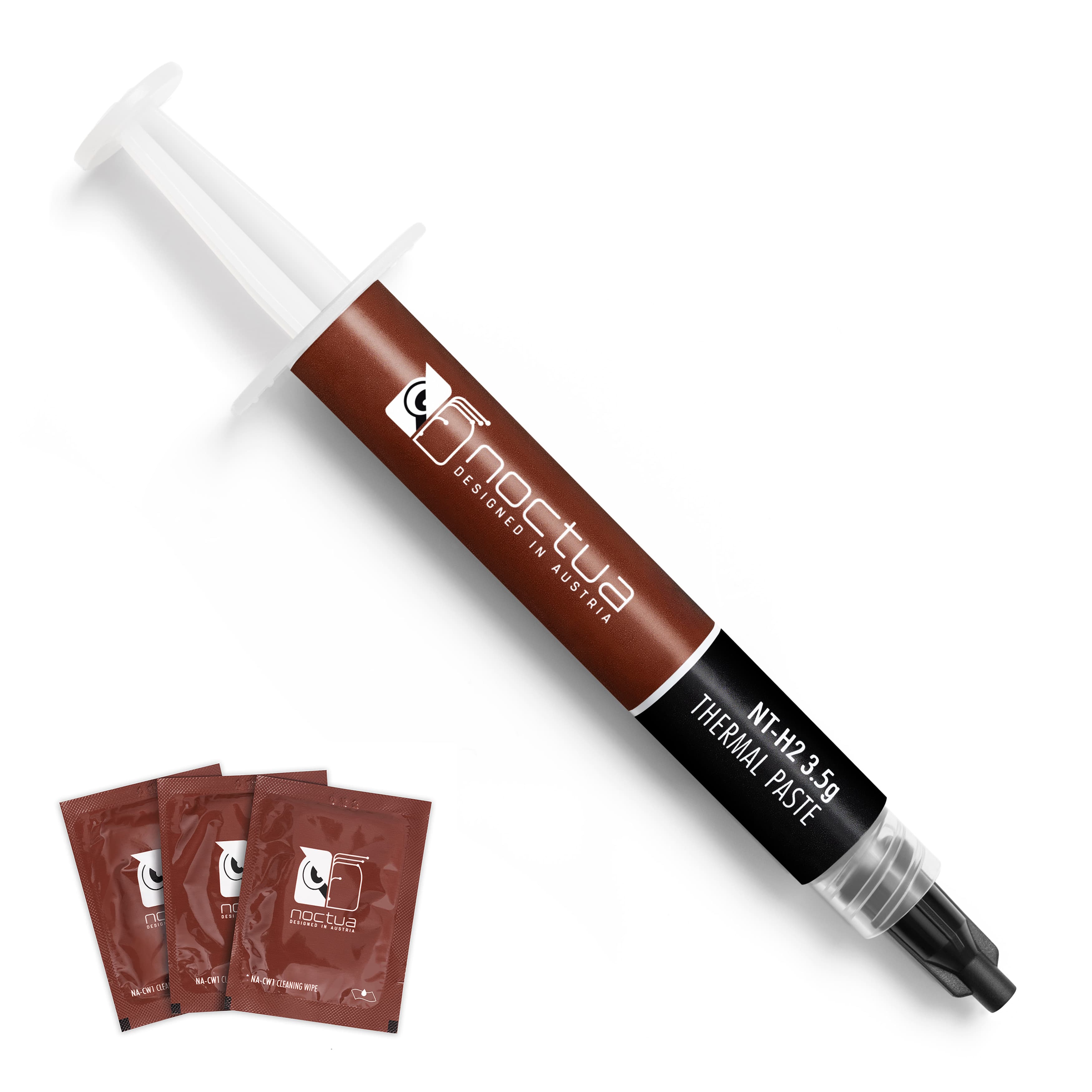
NT-H2 3.5g
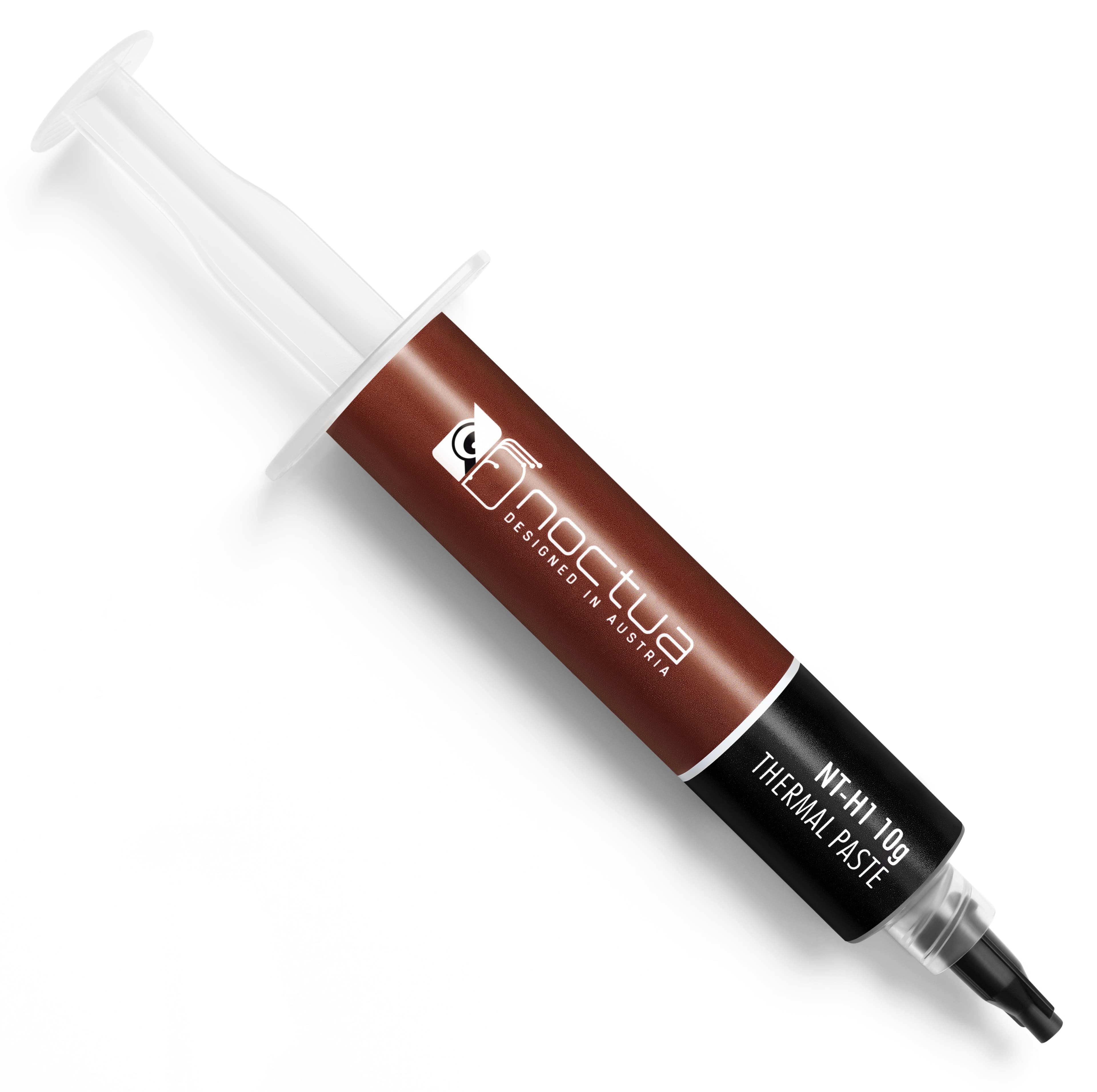
NT-H1 10g
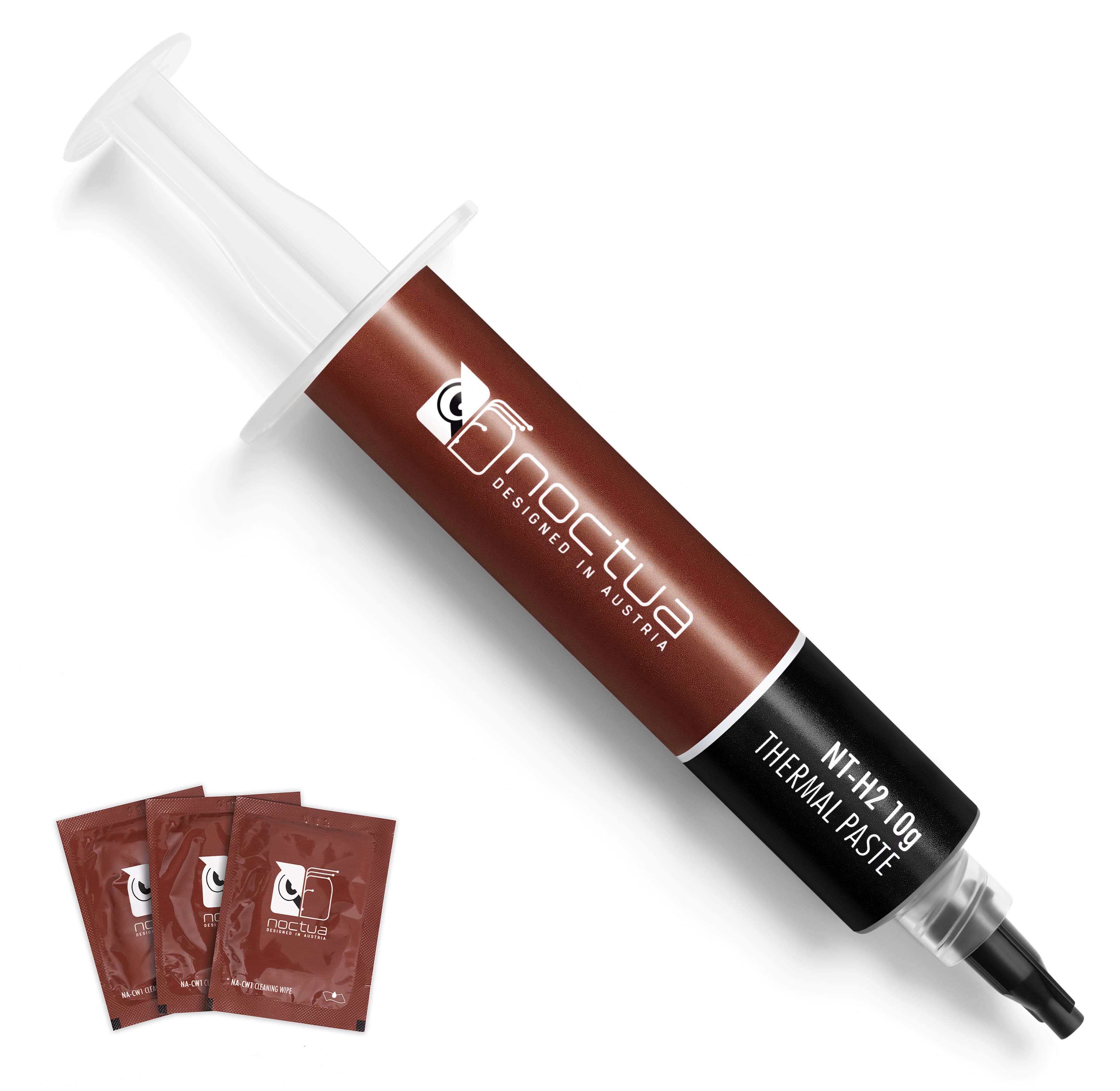
NT-H2 10g
Further resources
Want to learn more? Explore related articles and resources.

NT-CP1: Performance characteristics and technical background
The Carbice® NT-CP1 carbon nanotube thermal pad improves over thousands of thermal cycles instead of degrading like pastes, ideal for long-lasting, maintenance-free use.

How to speed up the activation phase of the NT-CP1 thermal pad using automated Prime95 runs
The NT-CP1 thermal pad does not require any manual activation. However, it is possible to speed up the activation phase through dedicated thermal cycling...
Related articles
Want to learn more? Explore related articles and resources.
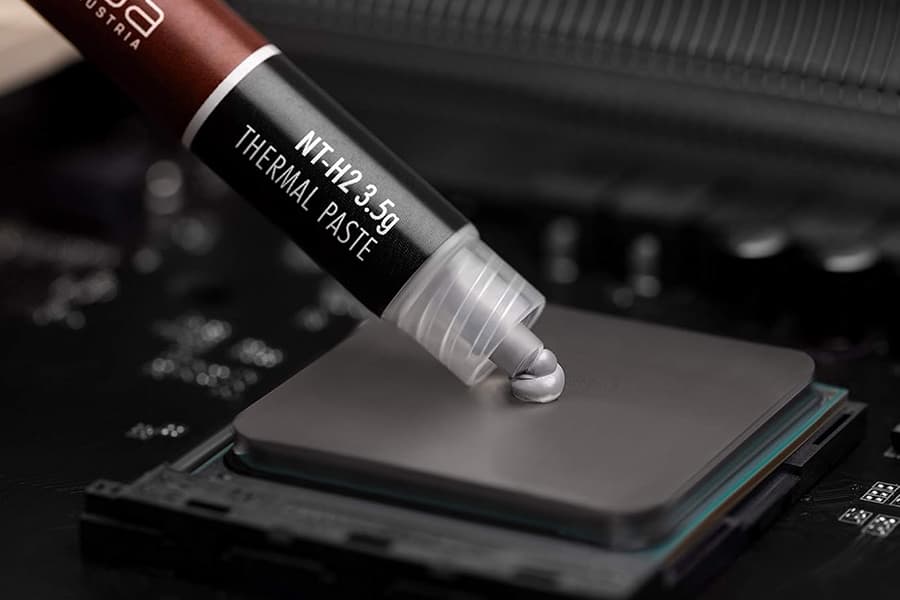
Performance comparison NT-H1 vs. NT-H2
The NT-H2 thermal paste further improves on the award-winning NT-H1. But how much of a difference in performance can you expect to see?
How to speed up the activation phase of the NT-CP1 thermal pad using automated Prime95 runs
The NT-CP1 thermal pad does not require any manual activation. However, it is possible to speed up the activation phase through dedicated thermal cycling...
NT-CP1: Performance characteristics and technical background
The Carbice® NT-CP1 carbon nanotube thermal pad improves over thousands of thermal cycles instead of degrading like pastes, ideal for long-lasting, maintenance-free use.