



Out of the box: Push or pull?
We recommend installing the fans pushing air through the radiator rather than pulling air through it for optimal performance-to-noise efficiency. While our tests have shown hardly any differences in thermal performance, installing the fans in a pull configuration tends to have severe acoustic drawbacks as the inflow turbulence caused by the radiator will lead to unstable flow patterns and unfavourable aerodynamic load conditions on the fan blades.
In our tests with the NL-LC1-36 mounted in a top exhaust position, installing the fans in a pull configuration resulted in 3-5dB(A) higher noise levels at the same cooling performance compared to the recommended push configuration:
.png&w=3840&q=85)
Push-pull: Is it worth it?
Noctua generally does not recommend adding extra fans to create push-pull setups on NL-LC1 coolers because the performance-to-noise efficiency tends to be worse than with single-side push configurations. In our tests using an NL-LC1-36 cooler at a head-load of 200W, the push-pull configuration performed better than the single-side pull configuration, but was 1-3dB(A) louder than the single-side push configuration at the same component temperatures:
.png&w=3840&q=85)
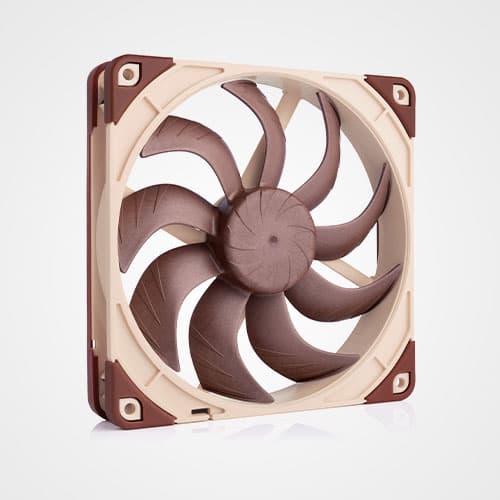
At full fan speed, the push-pull configuration did provide slightly better cooling performance, but at a noise penalty of around 8dB(A). If you still want to boost raw cooling performance by adding more fans, we recommend using speed-offset NF-A12x25 G2 Sx2-PP fans (for NL-LC1-36 and NL-LC1-24) or NF-A14x25 G2 Sx2-PP fans (for NL-LC1-42) in a PPA/PPB/PPA configuration on the push side and a PPB/PPA/PPB configuration on the pull side for 360mm and 420mm models. For the NL-LC1-24, we recommend a PPA/PPB configuration on the push side and a PPB/PPA configuration on the pull side.
Mentioned products
Explore the products featured in this article.
Further resources
Want to know more on this topic? Explore relevant articles and resources.
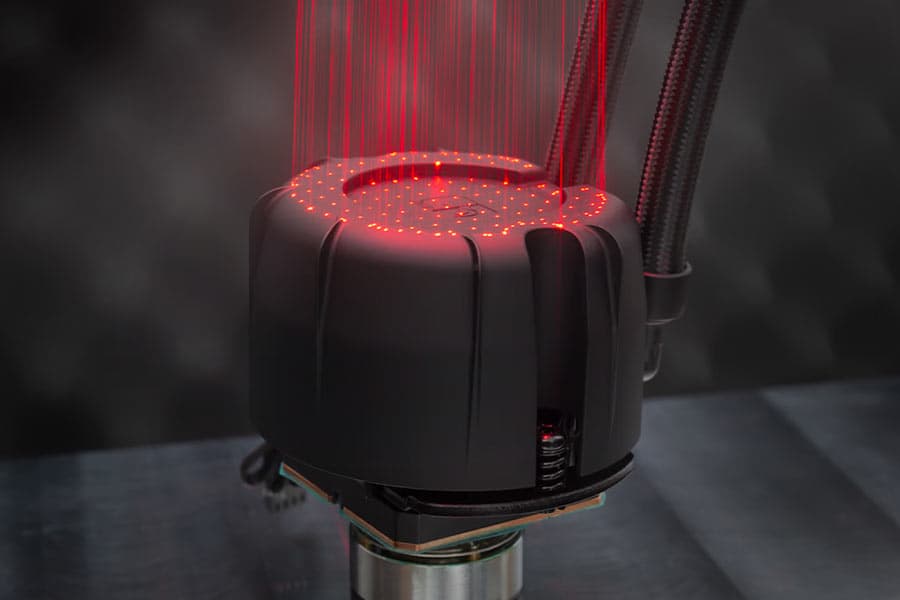
NL-PNA1 pump noise absorber: Tuned mass damper and acoustic soundproofing
The NL-LC1 series is the world’s first all-in-one liquid cooler to feature an integrated pump noise absorber that leverages acoustic soundproofing and the tuned-mass damper effect.
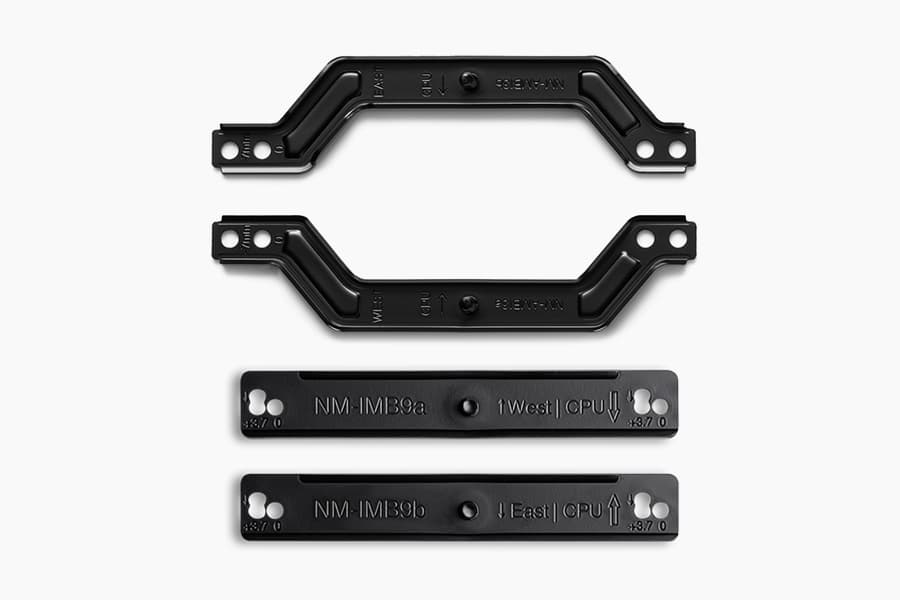
How our SecuFirm2+™ mounting system enables NL-LC1 coolers to achieve lower temperatures
Our SecuFirm2+™ mounting system ensures optimal force transfer and contact pressure, which can give the NL-LC1 a slight edge over other Emma V2 based coolers.
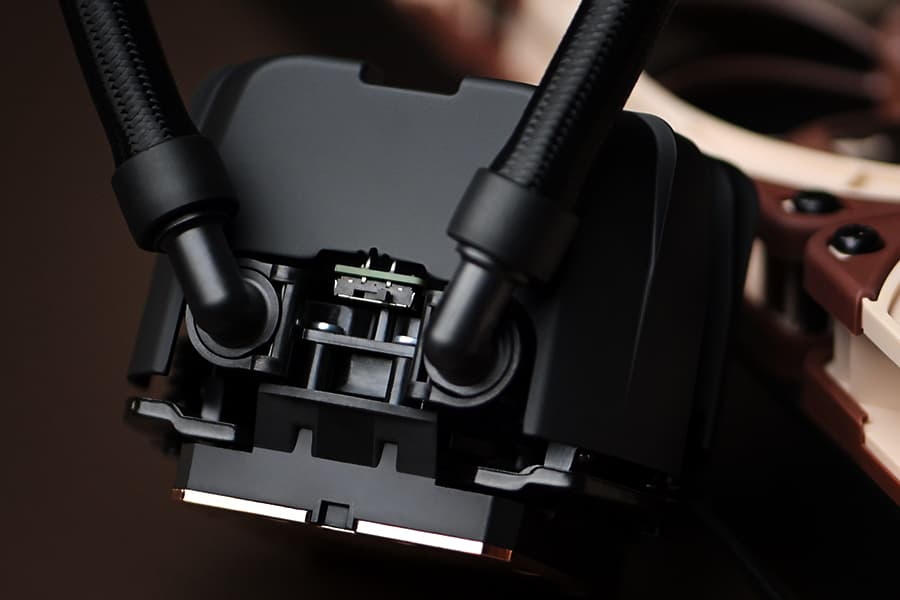
NL-LC1 series AIO coolers’ pump speed profiles explained
The NL-LC1 series’ pump comes with an integrated mode switch that makes it possible to choose between three settings (Quiet, Balanced and Manual).
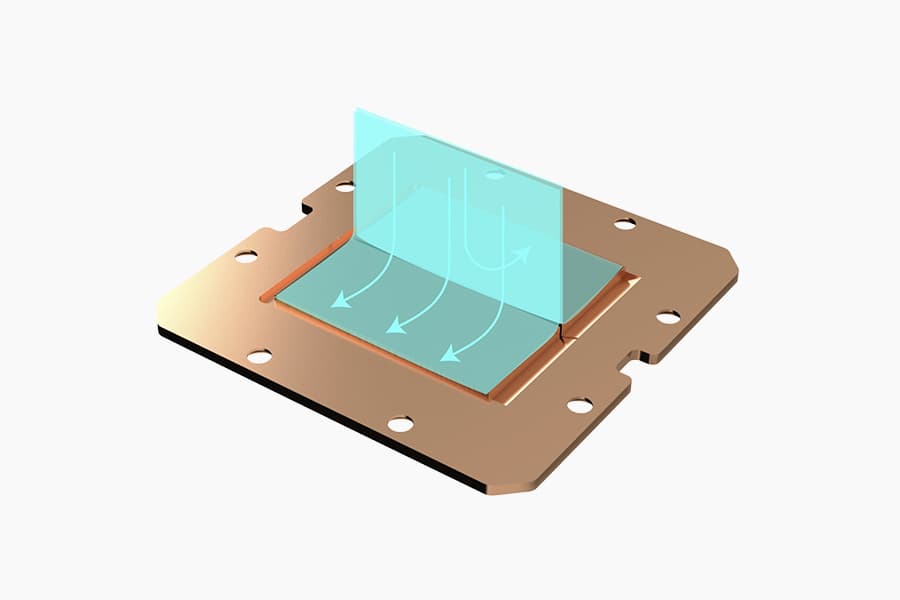
Asetek Emma V2: State-of-the-art closed-loop liquid cooling
The Asetek Emma V2 represents the pinnacle of Asetek's evolution over the last two decades at the forefront of all-in-one liquid cooling.
Which AIO radiator size should I choose – 420, 360 or 240mm?
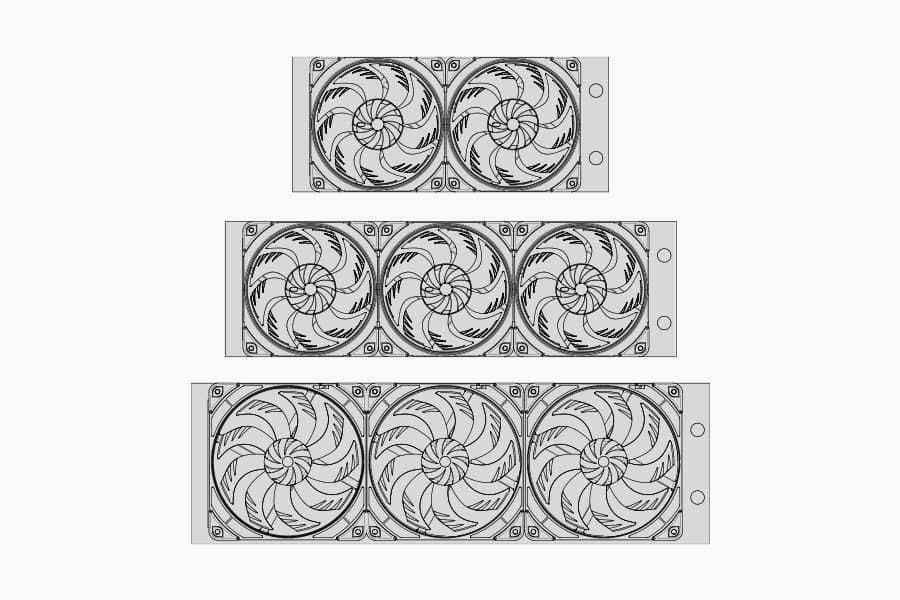
Which AIO Radiator size is right for you? 360, 240 or 420? Discover which model offers the best possible performance-to-noise efficiency for your setup.
Air cooling or water cooling, which one to choose?
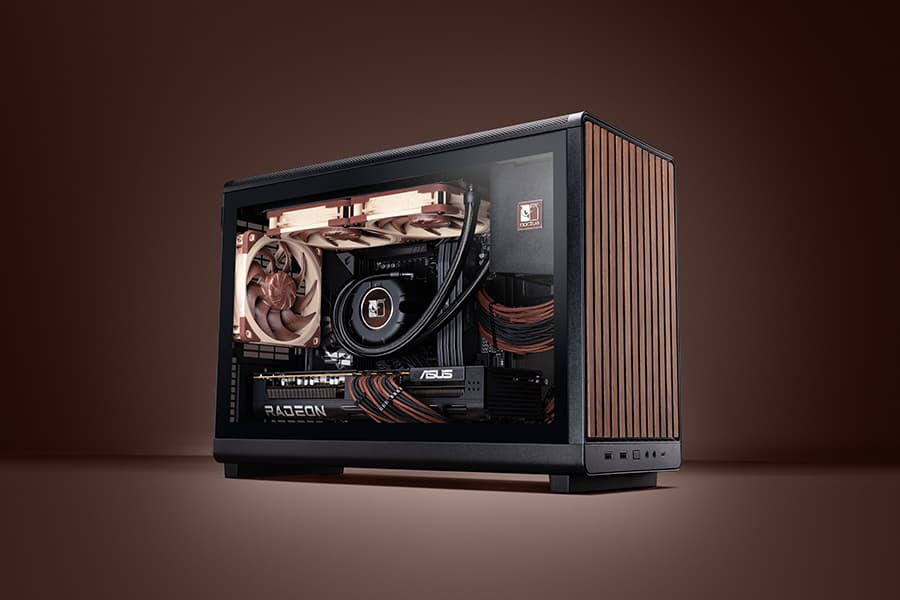
Both air coolers and all-in-one liquid coolers have their respective advantages and disadvantages. We have summed them up for you in this guide to help with your buying decision.
Where should I install my AIO radiator (top vs. front/side)?
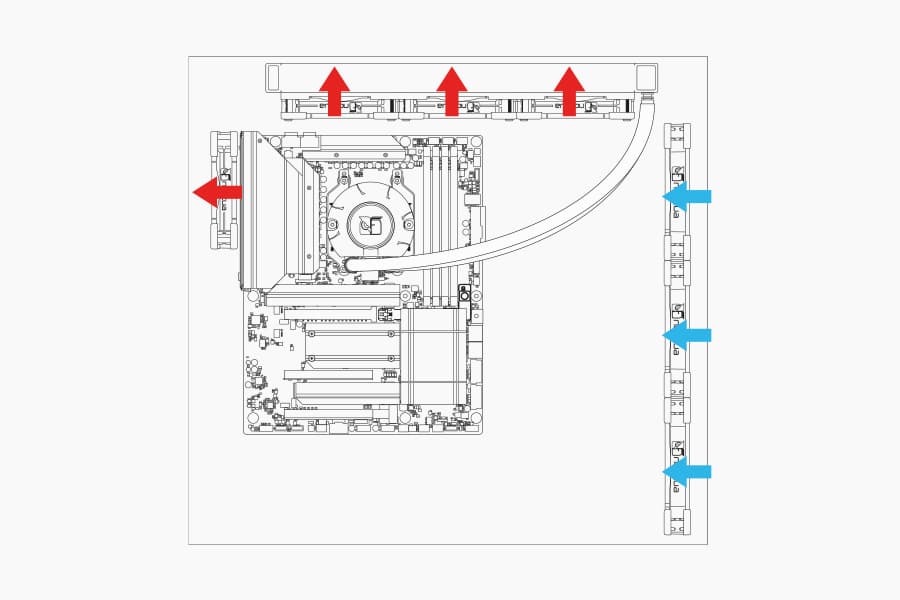
Many modern tower-style PC cases allow liquid coolers to be installed in more than one position (top, front or side of the case). This article explains their pro's and con's.
Should I use the NL-ACF1 auxiliary cooling fan?
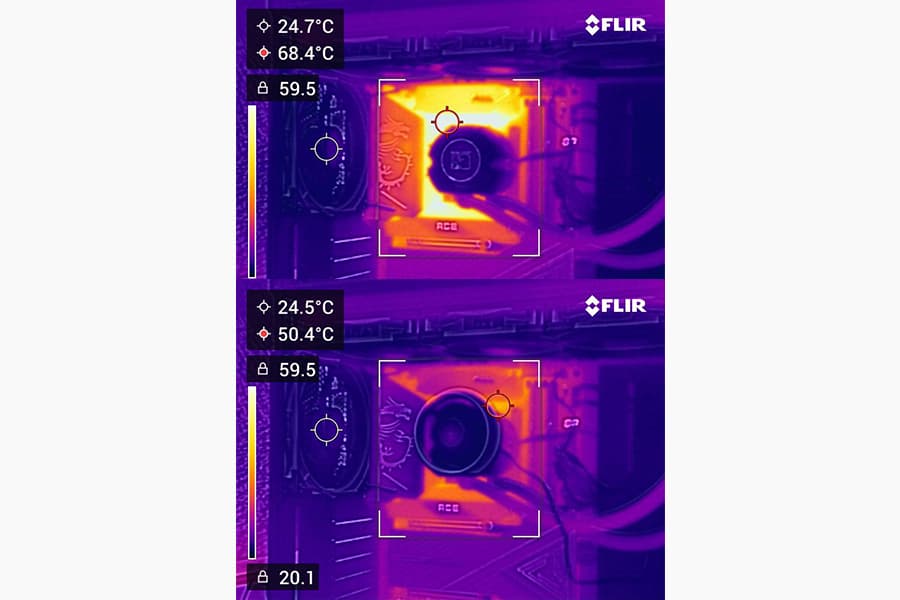
The NL-ACF1 is an optional auxiliary cooling fan for NL-LC1 liquid coolers that provides extra airflow to near-socket compontents such as VRMs, M.2 SSDs or RAM.
Related FAQs
Related articles
Want to know more on this topic? Explore relevant articles and resources.
Air cooling or water cooling, which one to choose?
Both air coolers and all-in-one liquid coolers have their respective advantages and disadvantages. We have summed them up for you in this guide to help with your buying decision.
Where should I install my AIO radiator (top vs. front/side)?
Many modern tower-style PC cases allow liquid coolers to be installed in more than one position (top, front or side of the case). This article explains their pro's and con's.
NL-LC1 series AIO coolers’ pump speed profiles explained
The NL-LC1 series’ pump comes with an integrated mode switch that makes it possible to choose between three settings (Quiet, Balanced and Manual).
Should I use the NL-ACF1 auxiliary cooling fan?
The NL-ACF1 is an optional auxiliary cooling fan for NL-LC1 liquid coolers that provides extra airflow to near-socket compontents such as VRMs, M.2 SSDs or RAM.